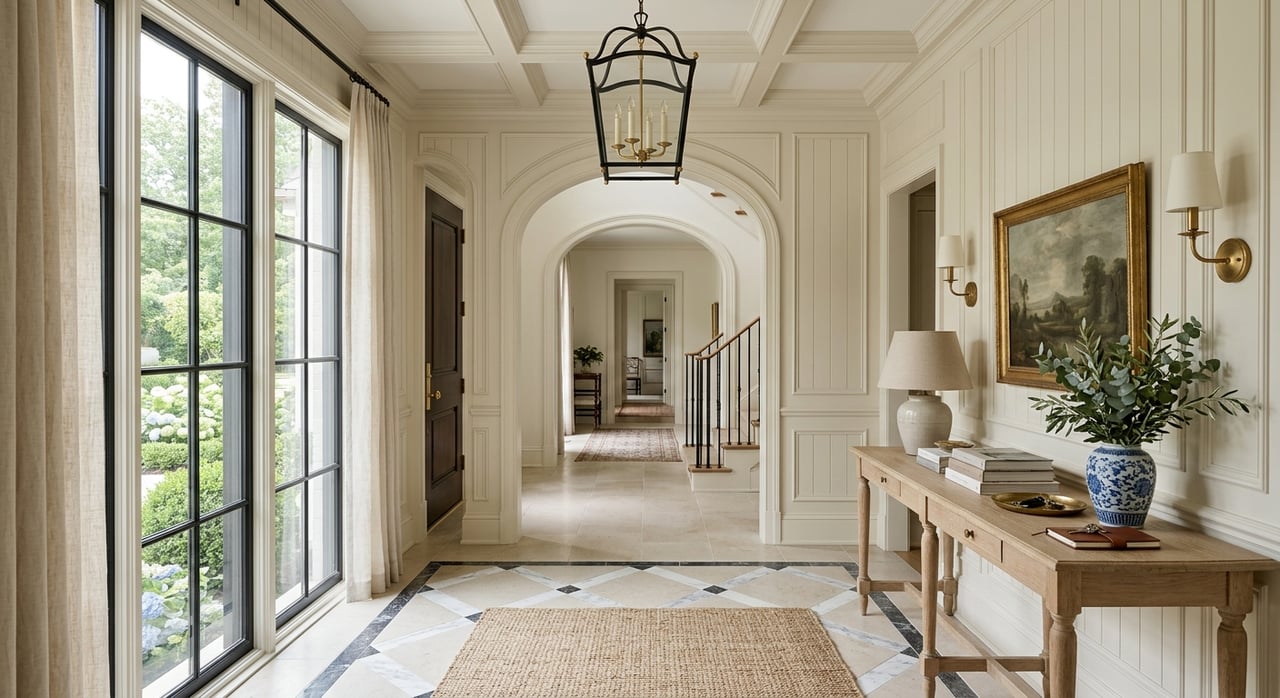
If you are preparing to sell a high-end home in Chestnut Hill, staging is not just about making rooms look attractive. It is about helping buyers instantly understand the value of your home, both online and in person. In a market known for architect-designed houses, landscaped lots, and a selective luxury audience, the right staging strategy can sharpen first impressions and support stronger marketing from day one. Let’s dive in.
Why staging matters in Chestnut Hill
Chestnut Hill stands out for its architectural history and visual character. According to Newton’s local history resources, the area developed into country estates, and the neighborhood remains known for substantial homes and distinctive design. A Brookline neighborhood association also notes that Chestnut Hill spans both Brookline and Newton, which adds to its broad appeal and layered identity.
That setting matters when you list a luxury property. Buyers at this price point are often comparing multiple homes carefully, and they expect a polished, move-in-ready presentation. A recent market snapshot cited in the research report showed Chestnut Hill with a median listing price of $2.947 million, just 5 active listings, and 42 days on market, which points to a high-value market where presentation can influence how quickly and confidently buyers respond.
Online first impressions do heavy lifting
Before many buyers ever book a private showing, they are narrowing their choices online. The 2025 NAR Profile of Home Staging found that 83% of buyers’ agents said staging makes it easier for buyers to visualize a future home. The same report found that buyers were expected to view a median of 20 homes virtually and 8 in person.
That means your first photo set, video, and virtual tour have a real job to do. In the same NAR data, buyers’ agents ranked photos, physical staging, videos, and virtual tours as important parts of the home search process. For a Chestnut Hill home, staging should be planned with the camera in mind, not treated as an afterthought once the listing date is set.
Start with architecture, not decor trends
In Chestnut Hill, the home itself should lead. The Chestnut Hill Historic District Commission highlights the area’s architectural integrity, and that is a major selling point for many buyers.
Because of that, the most effective staging usually feels timeless and restrained. Instead of trend-heavy styling or highly personal decor, you want furnishings and accessories that support scale, light, symmetry, and original details. Think of staging here as editing the scene so buyers notice the millwork, window lines, fireplaces, staircases, and proportions that make the property special.
Focus on curb appeal first
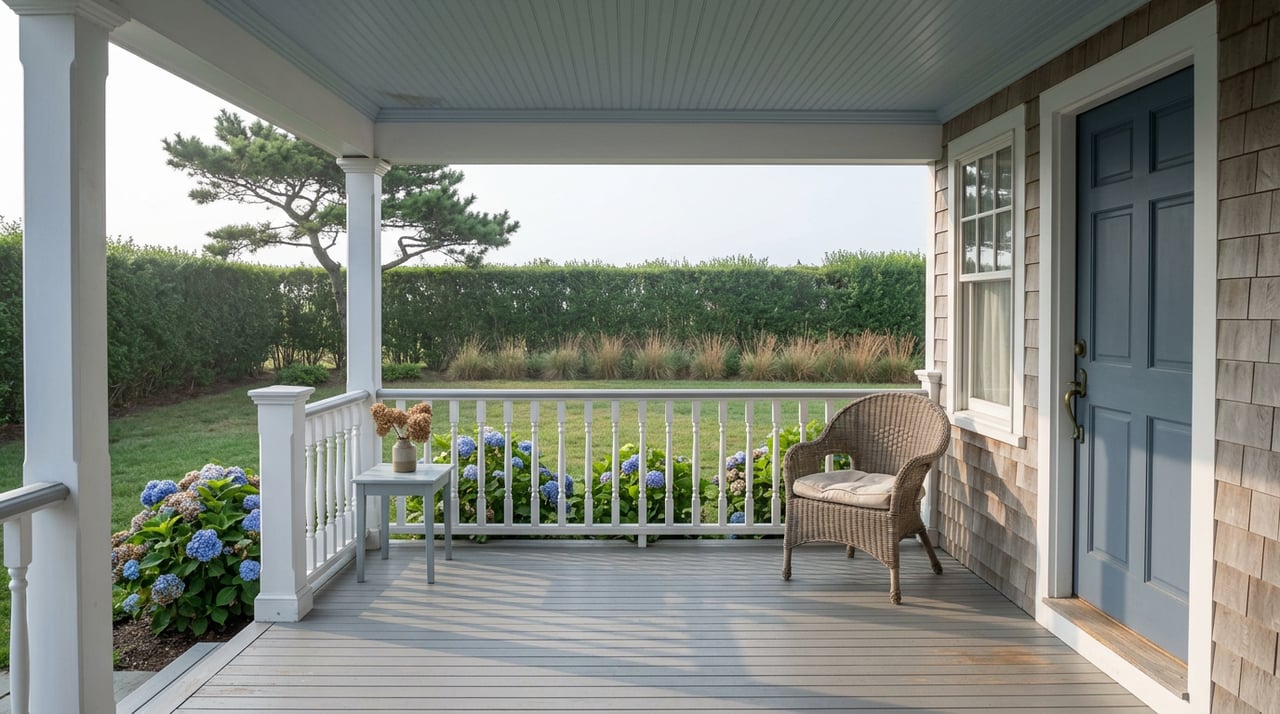
Luxury buyers start forming opinions before they reach the front door. The NAR consumer guide to marketing your home notes that curb appeal shapes first impressions, and its front-yard staging guidance calls out overgrown landscaping as the number one distractor.
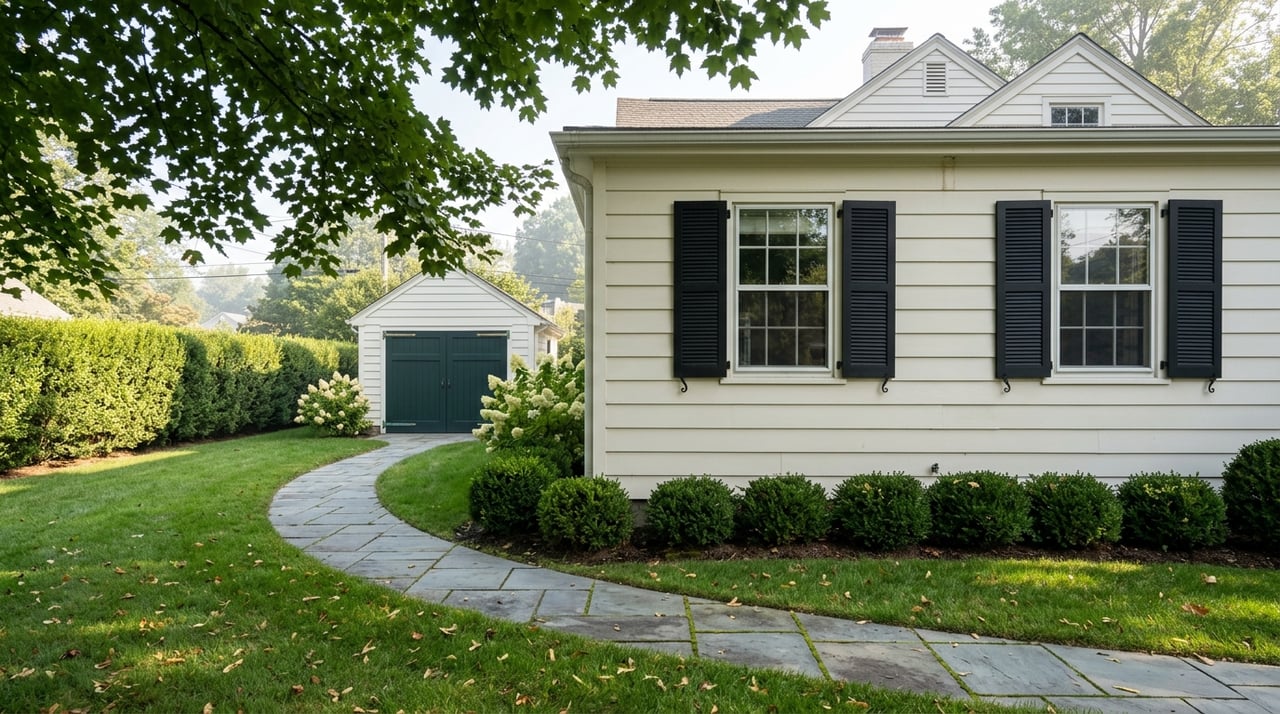
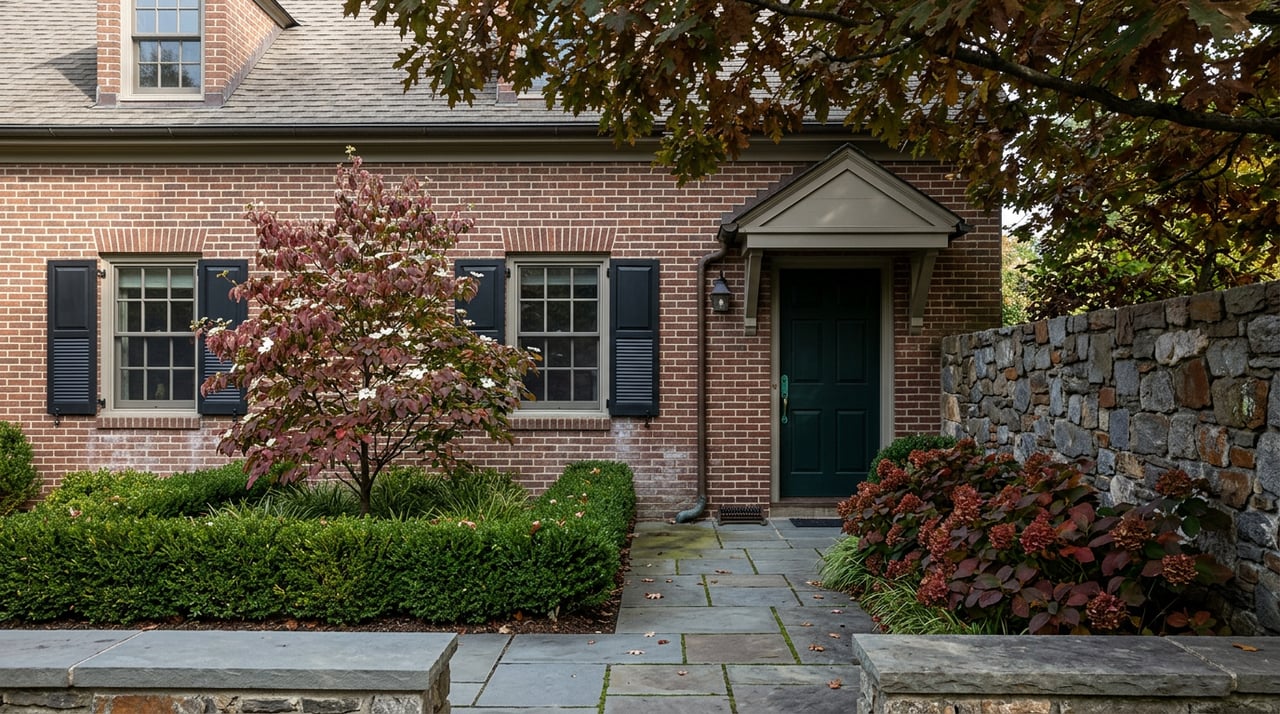
For Chestnut Hill homes, exterior presentation is especially important because many properties sit on lush, landscaped lots. A clean, manicured approach helps the home feel cared for and allows the architecture to stand out.
Prioritize these exterior updates before photos and showings:
- Trim back overgrown shrubs and trees
- Refresh mulch and planting beds
- Clean walkways, steps, and front entry surfaces
- Repaint or refresh the front door if needed
- Check exterior lighting for consistency and function
- Update worn or dated house numbers
- Remove seasonal clutter, excess planters, or mismatched outdoor items
These changes do not need to be flashy. They need to feel intentional, orderly, and in keeping with the home’s style.
Stage the rooms buyers notice most
Not every room carries the same weight. According to the 2025 NAR staging survey, the most important rooms to stage are the living room, primary bedroom, and kitchen.
That is helpful for sellers because it gives you a clear priority list. If you are deciding where to focus time and budget, start with the spaces that most directly affect emotional connection and perceived lifestyle.
Living room
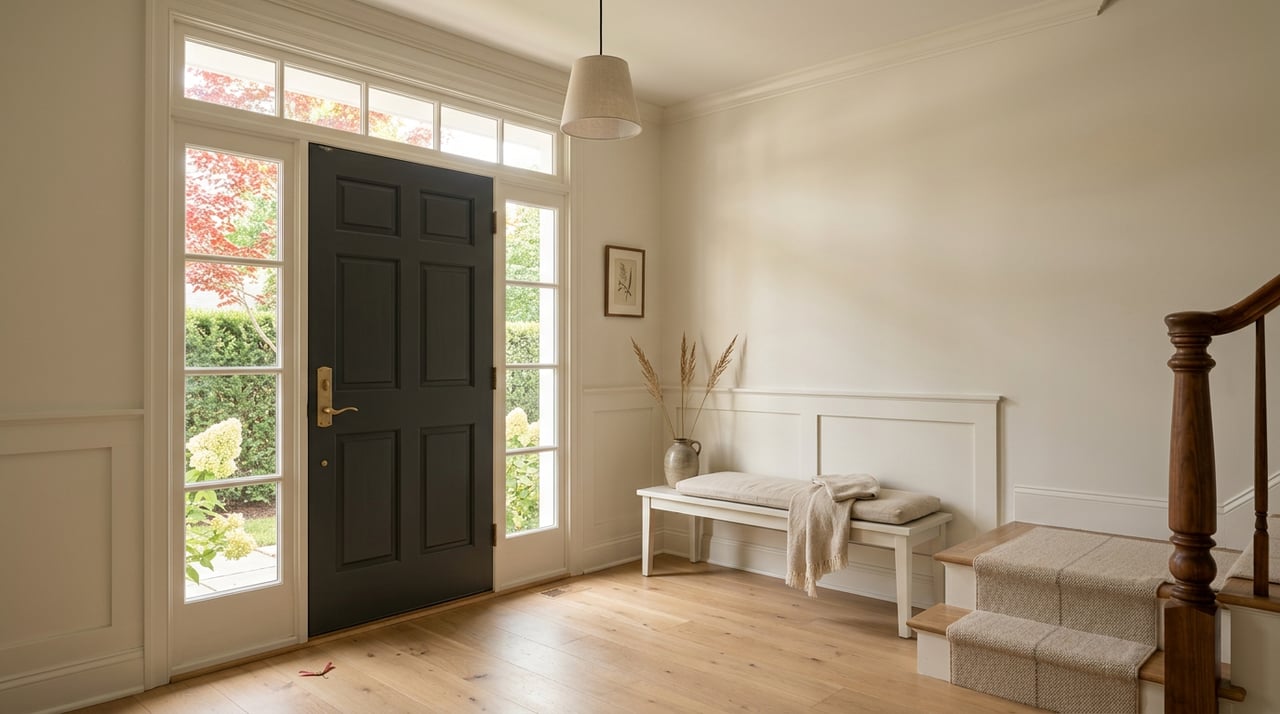
The living room often sets the tone for the entire showing. In a high-end Chestnut Hill property, this room should feel calm, scaled correctly, and easy to picture for everyday living or entertaining.
Use furniture that defines conversation areas without crowding architectural features. Keep accessories minimal, and avoid blocking windows, fireplaces, or detailed trim. The goal is to make the room feel open, elegant, and easy to understand at a glance.
Primary bedroom
The primary bedroom should feel restful and spacious. Neutral bedding, balanced nightstands, and thoughtful lighting go a long way here.
In larger homes, this room can also benefit from subtle editing. If the layout is oversized or oddly arranged, staging can create a stronger sense of purpose and proportion without adding visual noise.
Kitchen
Kitchens matter because buyers pay attention to both beauty and function. Counters should be mostly clear, surfaces spotless, and decorative items limited to a few simple accents.
If your home has custom cabinetry, stone surfaces, or special lighting details, staging should support those features rather than compete with them. This is one of the clearest places where less is often more.
Clean before you style
One of the most overlooked staging truths is that cleanliness often matters more than decoration. The NAR staging data found that seller-prep recommendations most often included decluttering, whole-home cleaning, and improving curb appeal.
The NAR consumer guide also specifically recommends cleaning windows, carpets, lighting fixtures, and walls before photos and showings. In luxury homes, buyers notice dust, streaks, and deferred maintenance quickly.
A strong prep checklist usually includes:
- Remove personal items and excess decor
- Edit closets, shelves, and storage spaces
- Deep clean windows and glass doors
- Clean carpets and polish hard flooring
- Wipe walls, trim, and doors
- Dust light fixtures and replace burned-out bulbs
- Simplify surfaces in kitchens and baths
This kind of prep helps your photography look sharper and your in-person showings feel more elevated.
Use physical staging as the foundation
Virtual staging can help in select cases, but it should not be your main strategy. The 2025 NAR home staging report found that physical staging, photos, videos, and virtual tours still carry more weight than virtual staging alone.
For a luxury property in Chestnut Hill, buyers want consistency between what they saw online and what they experience when they arrive. If the real home feels less polished than the marketing, trust can drop quickly. The safer approach is to prepare the property well in real life first, then use virtual tools only where they add clarity.
Treat staging and media as one plan
The smartest approach is to think of staging as part of your full pre-listing marketing strategy. The NAR consumer guide defines home marketing to include staging, professional photography, social media, signage, open houses, and competitive pricing.
In practice, that means your stager, photographer, and listing agent should be aligned before launch. Furniture placement affects sightlines. Styling affects how light reads in photos. Exterior prep affects the impact of your first image online. When those decisions are coordinated, the final presentation feels more cohesive and more premium.
What staging can do for timing and value
Staging is not a magic formula, but it can support better outcomes. In the 2025 NAR report, 19% of sellers’ agents reported a 1% to 5% lift in offered value, and 30% reported a slight decrease in time on market. The reported median spend on a staging service was $1,500.
In a market where buyers are selective and first impressions matter, even modest gains in perceived value or marketability can be meaningful. That is especially true for higher-priced homes, where a stronger launch can help attract serious interest early.
A Chestnut Hill staging approach that fits the home
The best staging strategy for a Chestnut Hill home is rarely generic. It should reflect the property’s architecture, scale, condition, and likely buyer expectations. A shingle-style home, a Georgian Revival property, and a newer luxury build may all require different styling choices, even if the goal is the same.
That is where thoughtful, local guidance matters. When you combine staging with market positioning, pricing strategy, and a coordinated media plan, you give your home the best chance to stand out for the right reasons. If you are preparing to sell in Chestnut Hill and want a tailored, consultative plan, connect with Crystal Paolini for a free consultation.
FAQs
Which rooms should you stage first in a high-end Chestnut Hill home?
- The living room, primary bedroom, and kitchen are the top priority rooms to stage, according to NAR’s 2025 staging survey.
What exterior staging has the biggest impact for Chestnut Hill homes?
- Curb appeal matters most, especially a clean landscape, tidy front entry, refreshed lighting, and a well-maintained front door.
Can virtual staging replace physical staging for a luxury Chestnut Hill listing?
- No. NAR data show physical staging, photos, videos, and virtual tours remain more important than virtual staging alone.
Should staging match the architectural style of a Chestnut Hill home?
- Yes. Because Chestnut Hill is known for architect-designed homes and architectural integrity, staging should feel timeless and allow original details to stand out.
Does staging help luxury homes sell faster in Chestnut Hill?
- It can help support a stronger launch. NAR’s 2025 report found that 30% of sellers’ agents saw a slight decrease in time on market when homes were staged.