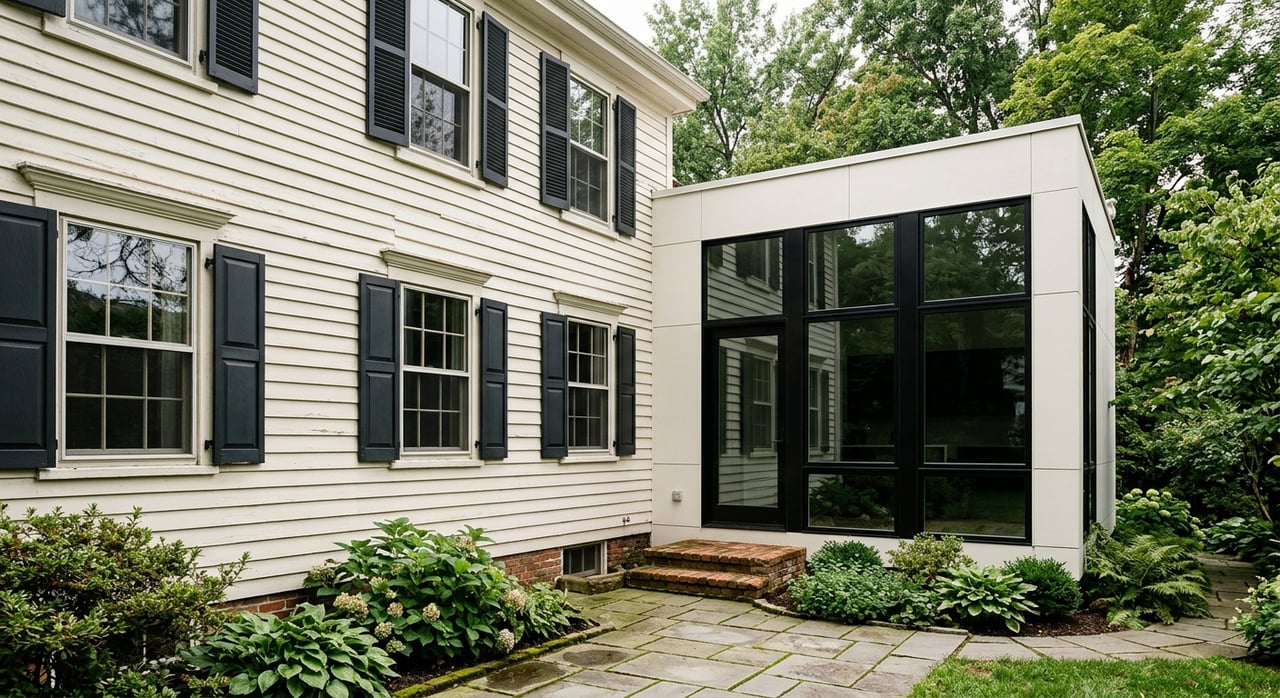
Trying to decide between a historic home and a new build in Lexington? You are not alone. In a town where older homes shape much of the streetscape and newer construction often comes in at the top of the price range, the right choice usually comes down to how you want to live, what level of upkeep feels comfortable, and how you want to spend your budget. This guide will help you compare both paths with a clear, practical Lexington lens. Let’s dive in.
Lexington’s Housing Mix
Lexington is still overwhelmingly a single-family home market. Town planning data says single-family homes make up 83.1% of the housing stock, and more than half of Lexington homes were built before 1960.
That age profile matters when you start your search. Only 12% of Lexington homes were built after 2000, which means truly newer options are a much smaller share of the market than older homes with established architectural character.
Lexington also has a broad architectural range. The town describes a layered housing history that includes Revolutionary-era resources, late 19th- and early 20th-century homes, and mid-century modern enclaves such as Moon Hill, Five Fields, and Peacock Farm.
What Makes Historic Homes Appealing
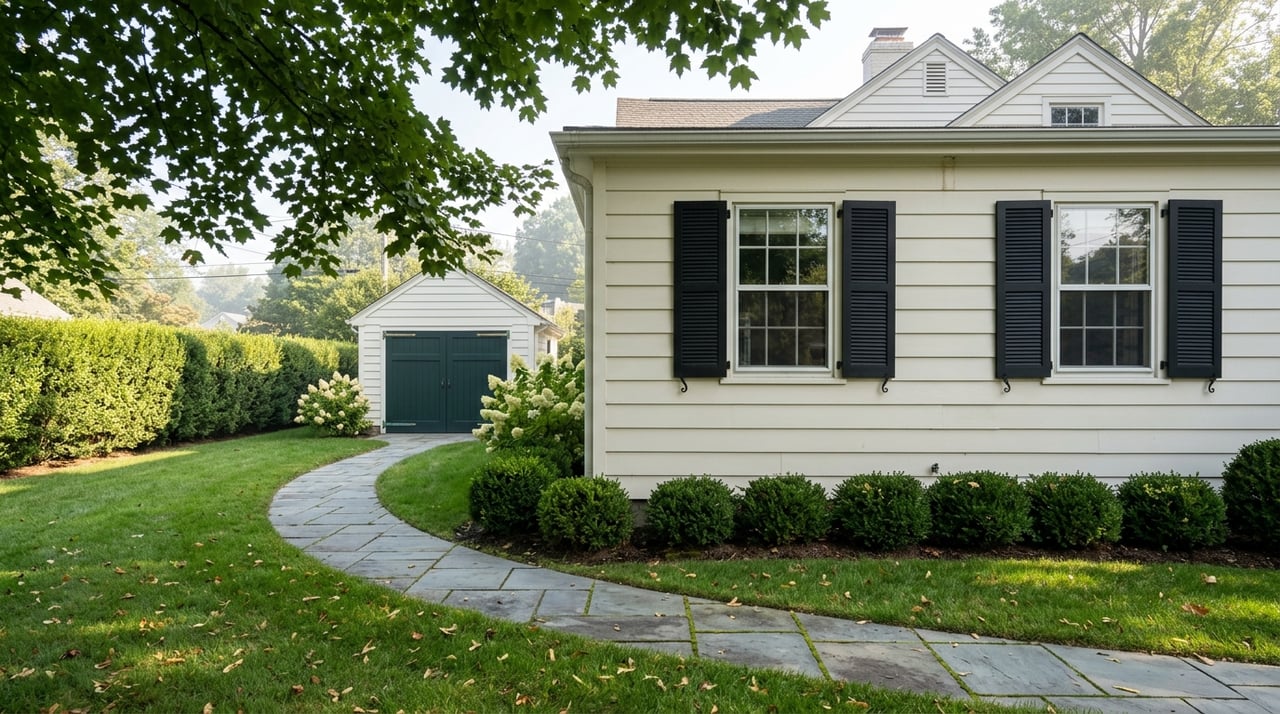
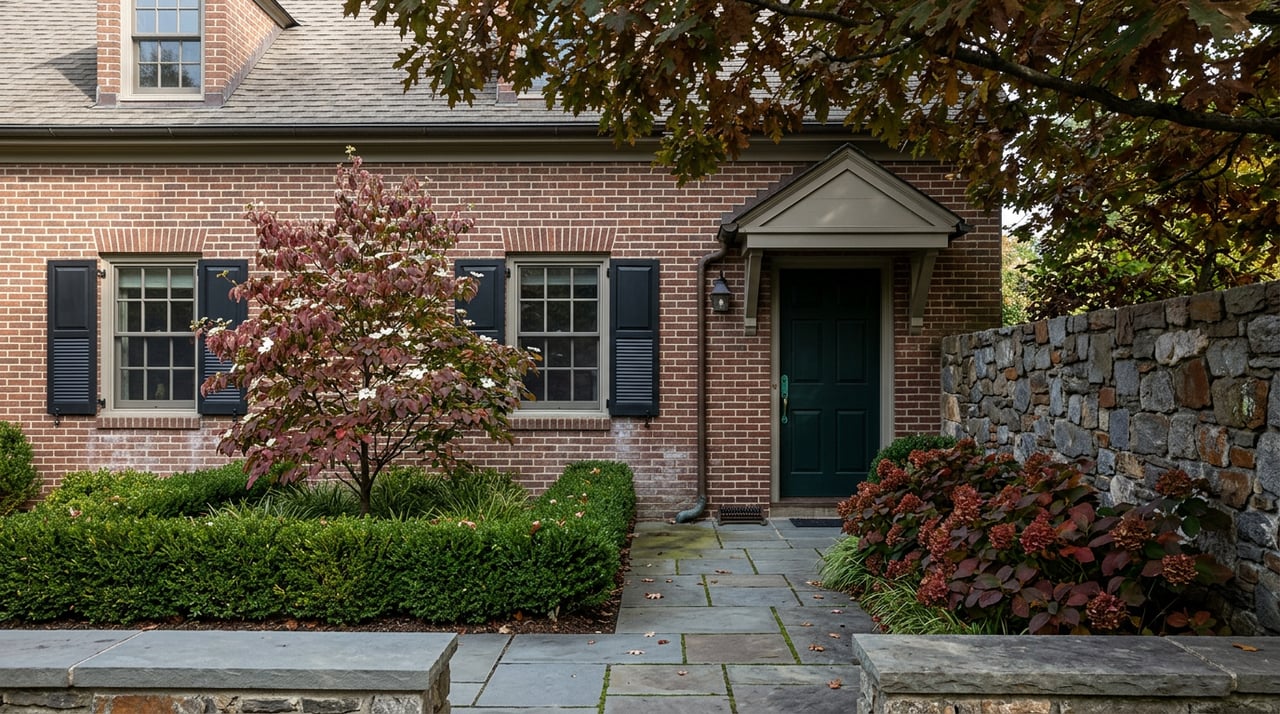
Historic homes in Lexington often stand out because they feel distinctive from the moment you walk in. You may find original details, varied facades, and layouts that reflect the era in which the home was built rather than a more standardized modern plan.
The town’s housing inventory notes that historic homes remain among Lexington’s most desirable properties. For many buyers, the appeal is not just the house itself, but also the sense of living in an established setting with visible architectural history.
Older homes in Lexington can include colonial-era properties, early 20th-century Colonial Revival homes, and other classic styles that help define the town’s identity. If you value charm, originality, and a home that feels rooted in place, this category may be a strong fit.
Historic Homes Often Mean More Oversight
In Lexington, buying an older home is not always just about age. It can also mean understanding whether the property is in a local historic district or subject to town-established protections.
Town survey materials identify local historic districts in areas such as the Battle Green, Hancock Street, Munroe Tavern, East Lexington, and Lexington Green. The Historical Commission says about 2,000 properties are protected through local historic districts, so it is important to know whether exterior changes may involve additional review.
That does not make a historic property harder to own, but it does mean you should go in with a clear picture of what is allowed, what may require approval, and how that fits with your plans.
What To Expect With Historic Home Upkeep
The biggest tradeoff with a historic home is usually maintenance. Older homes are often less turnkey than new construction, and over time they may need more attention to materials, insulation, and major systems.
In practical terms, that can mean a longer list of future projects. Depending on the property, you may need to budget for air sealing, insulation improvements, or mechanical upgrades that help the home perform more efficiently.
There is also a preservation mindset that often matters with older homes. Guidance cited in the research notes that repairable historic features are often best repaired rather than replaced, and that historic windows can sometimes be repaired or weatherized instead of automatically removed.
Historic Homes May Suit You If
- You value architectural character over a fully modern layout
- You are comfortable budgeting for ongoing maintenance
- You like established homes with a strong sense of place
- You are open to upgrades over time rather than expecting everything to feel new on day one
Why New Homes Attract Buyers
New construction in Lexington usually appeals to buyers who want convenience, modern design, and more predictable systems. In many cases, these homes offer the kind of layouts people actively search for today, including open floor plans, large kitchens, home offices, en-suite bedrooms, and multiple finished levels.
That can be a major advantage if your priority is ease of living. A newer home may reduce the number of immediate projects and offer more alignment with current lifestyle needs right away.
In Lexington, newer homes are typically not part of large new subdivisions. Town housing-production materials show that most single-family permits over a prior decade involved teardowns, with smaller homes replaced by larger ones.
New Construction Usually Sits At The Top End
Current listing snapshots reflect Lexington’s premium pricing for new homes. Redfin’s Lexington new-homes page showed 29 new homes with a median listing price of $2.06 million, while Zillow showed a similar entry point around $2.15 million.
That does not mean every older home is cheaper or every newer home is more expensive in every case. It does mean that if you are targeting newer construction in Lexington, you should expect to compete in the upper end of the market.
Efficiency Depends On The Build Standard
Energy performance is another reason many buyers consider newer homes. DOE guidance cited in the research says certified new homes can offer strong gains in energy savings, comfort, health, and durability.
But there is an important detail here. The efficiency advantage is strongest when the home is actually built to a recognized efficiency standard, such as ENERGY STAR or DOE Efficient New Homes, rather than simply being recently built.
If efficiency is a top priority, ask specific questions about insulation, air sealing, systems, and certifications. New alone is not always enough to tell the full story.
How Prices Compare In Lexington
Lexington’s official assessment data shows a broad pattern: newer homes tend to command higher values on average. In the town’s 2025 Housing Needs Assessment, homes built before 1940 had a median assessed value of $948,100, while homes from the 2010s were at $1,538,500 and homes built in 2020 or later were assessed at more than $2 million.
The same report says two-thirds of Lexington single-family homes are assessed at or above $1.2 million. That gives you a useful baseline for understanding just how premium this market is across both older and newer inventory.
Still, age alone does not determine value. Redfin’s market snapshots showed a median listing price of $2.2 million for vintage homes versus $2.06 million for new homes, which suggests that location, condition, updates, lot, and architectural appeal can matter just as much as the year built.
Market Pace Still Matters
Lexington also appears to be moving at a relatively brisk pace. Realtor.com’s March 2026 snapshot showed a median listing price of $2.199 million and 23 median days on market, while Redfin’s March 2026 closed-sale snapshot showed a median sale price of $1.6625 million and 16 days on market.
Those numbers measure different things, so they are not directly comparable. Still, together they suggest a high-cost market where well-positioned homes can move quickly.
How To Choose The Right Fit
For most buyers in Lexington, this is less about deciding whether old is better than new and more about figuring out which lifestyle tradeoffs feel right for you. Both choices can place you in a premium price tier.
A historic home may be the better fit if you love architectural detail, want a home with a strong sense of identity, and feel comfortable planning for updates over time. A new home may be the better fit if you want a more turnkey experience, a modern floor plan, and the possibility of stronger energy performance from day one.
A few practical questions can help clarify your direction:
- Do you enjoy taking on home projects, or do you want fewer moving parts after closing?
- Is original character more important to you than layout efficiency?
- Would you rather invest in updates over time or pay a premium upfront for newer construction?
- If you are considering an older property, are you comfortable learning about any historic-district rules that may apply?
A Smart Lexington Search Starts With The Details
In Lexington, the details matter. Two homes with similar prices can offer very different ownership experiences depending on age, condition, location, level of renovation, and whether the property falls within a historic district.
That is why it helps to look beyond surface-level labels. An older home may have extensive upgrades already completed, while a newer home may offer the style you want but come at a significantly higher price point.
If you are weighing historic versus new in Lexington, a clear side-by-side review of condition, expected projects, efficiency features, and pricing can make the decision much easier. If you want thoughtful guidance on how to evaluate those tradeoffs, connect with Crystal Paolini for a free consultation.
FAQs
What is the difference between historic and new homes in Lexington?
- In Lexington, historic homes usually offer more architectural character and a stronger sense of place, while new homes typically offer modern layouts, newer systems, and potential efficiency benefits.
Are most homes in Lexington older homes?
- Yes. Town data says more than half of Lexington homes were built before 1960, and only 12% were built after 2000.
Are there local historic districts in Lexington?
- Yes. Lexington has local historic districts in areas such as the Battle Green, Hancock Street, Munroe Tavern, East Lexington, and Lexington Green, and about 2,000 properties are protected through town-established local historic districts.
Are new homes in Lexington mostly part of new subdivisions?
- No. Town materials indicate that Lexington’s newer single-family homes are typically infill or teardown-replacement projects rather than large greenfield subdivisions.
Do historic homes in Lexington always cost less than new homes?
- No. Official assessment data shows newer homes tend to command higher values on average, but current market snapshots also suggest that vintage homes can list at comparable or even higher price points depending on location, condition, and updates.
What should buyers ask when comparing Lexington historic homes and new homes?
- You should ask about the home’s condition, likely future upgrades, energy-efficiency features, layout fit, and whether any local historic district oversight may affect exterior changes.