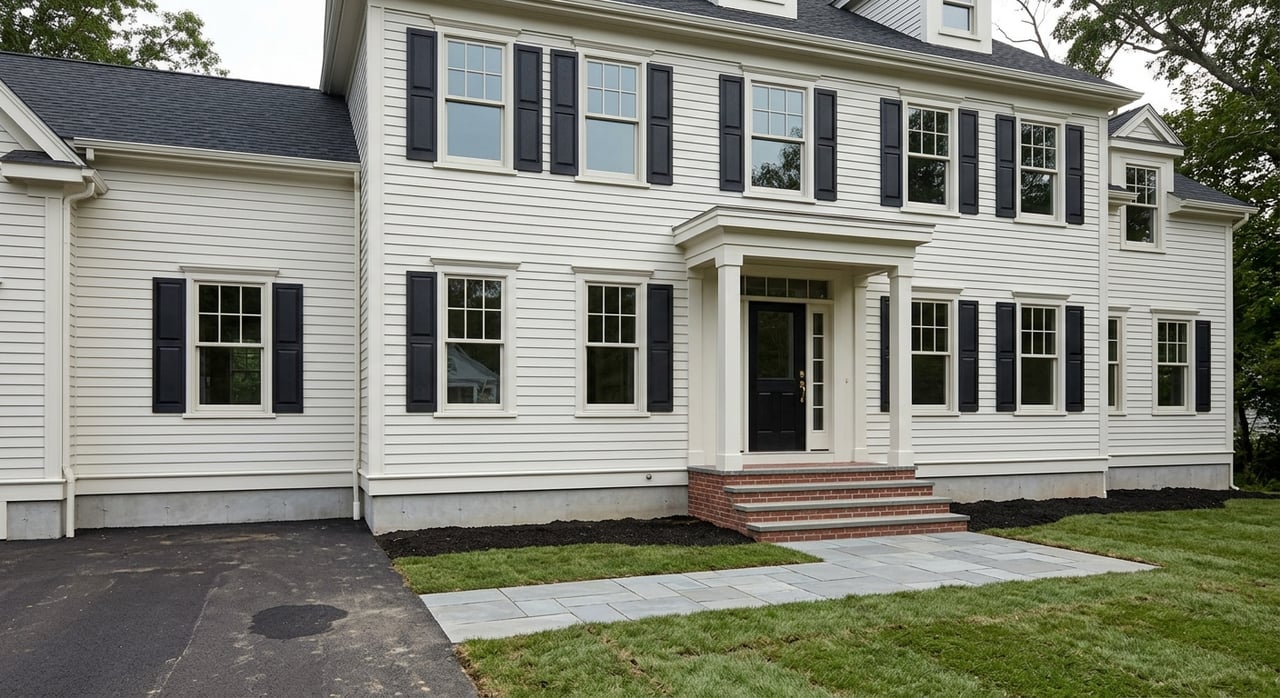
Thinking about building a new home in Needham? The exciting part is easy to picture: the finished kitchen, the floor plan that fits your life, and the chance to create something truly your own. The harder part is understanding what has to happen before construction even begins. In Needham, a successful new-build project starts with the lot, the zoning, and a very detailed approval process. This guide walks you through what to expect from raw parcel to finished home so you can plan with more confidence. Let’s dive in.
Start With The Lot
In Needham, feasibility begins with the parcel, not the house plan. Before you spend too much time refining design ideas, you need to understand what the site can legally and practically support.
The town flags several issues that may need early review, including wetlands, floodplain areas, river or stream proximity, septic work, scenic roads, and tree work near a public way. The Conservation Commission reviews work within 100 feet of resource areas and within 200 feet of perennial rivers and streams, so site conditions can shape your timeline from day one.
This is especially important in a community where new construction often comes from teardown activity. Needham’s Large House Review Study Committee reported that from July 2013 through June 2023, the town issued 845 building permits for single-family houses and 840 residential demolition permits. The committee estimated that about 89% of new single-family permits were replacement homes.
Zoning Sets The Real Limits
Once the parcel looks promising, zoning becomes the main gate. In Needham, lot history matters because the zoning bylaw separates older-lot rules from the table used for buildings and structures created through new construction.
The bylaw also defines new construction broadly. That can include building on a vacant lot, but it can also include certain teardown projects where more than 50% of the building shell is demolished within two years of the new permit request.
Key Dimensional Rules Matter Early
Your district shapes what may be possible for frontage, setbacks, lot coverage, floor area, height, and story count. Needham’s current baseline standards for new construction include:
- RR-C: 43,560 square feet of lot area, 150 feet of frontage, 50-foot front setbacks, 25-foot side setbacks, 25-foot rear setbacks, 15% lot coverage, 2.5 stories, and 35 feet of height
- SRA: 43,560 square feet of lot area, 150 feet of frontage, 30-foot front setbacks, 25-foot side setbacks, 15-foot rear setbacks, no FAR or lot-coverage limit, 2.5 stories, and 35 feet of height
- SRB: 10,000 square feet of lot area, 80 feet of frontage, 20-foot front setbacks, 14-foot side setbacks, 20-foot rear setbacks, FAR of .36 to .38, 25% to 30% lot coverage, 2.5 stories, and 35 feet of height
- GR: 10,000 square feet of lot area, 80 feet of frontage, 20-foot front setbacks, 14-foot side setbacks, 20-foot rear setbacks, no FAR, 30% to 35% lot coverage, 2.5 stories, and 35 feet of height
In practical terms, these numbers influence everything from house footprint to driveway placement to whether your design feels achievable on paper. If you are buying a parcel with redevelopment in mind, these details should be part of your review before you commit.
SRB And GR Often Get Extra Attention
Needham has treated house size and massing as an ongoing policy issue, especially in SRB and GR. The town’s Large House Review Study Committee said the 2017 zoning changes were intended to reduce massing and better align new homes with neighborhood character.
That does not mean building in those districts is impossible. It does mean you should expect dimensional analysis and massing conversations to be central to the planning process.
Some Projects Need More Than A Building Permit
A straightforward lot with clean zoning may move through the process more simply. But if the parcel is being split or the project is part of a larger coordinated plan, other boards may become involved.
Needham notes that the Planning Board may review ANR plans, subdivision plans, site plans, residential compounds, scenic-road applications, or special-permit matters. In some areas, the Design Review Board also reviews permit applications for new structures and exterior changes.
If your project does not fit zoning as written, there are different types of relief. Needham distinguishes between a special permit, where the use or condition may be allowed with Board of Appeals approval, and a variance, which asks the board to override zoning for something not otherwise allowed.
Permitting Is Paperwork Heavy
Many buyers and owners assume the main challenge is construction. In reality, Needham’s process is front-loaded. Good paperwork and complete submissions can make a big difference.
The town requires a building permit for construction, reconstruction, alteration, repair, removal, or demolition of a structure. Building permits are issued to licensed construction supervisors, except for homeowners working on a single- or two-family dwelling where they reside or intend to reside.
If a homeowner pulls their own permit, Needham says they lose the protection of the home-improvement arbitration and guaranty-fund system. For many people, that alone is a reason to think carefully about who should manage the permit process.
Expect Online Submittals
Needham’s Building Department uses online permitting and no longer accepts paper permits. For new construction, submittals typically require a plot plan prepared and certified by a Massachusetts registered land surveyor, along with other supporting documents.
The town’s FAQ also advises applicants to fill out every applicable section, verify contractor licenses and insurance, complete a zoning analysis, and make sure all required signatures are included before submission. Missing information is one of the simplest ways to lose time.
The Plot Plan Does A Lot Of Work
The plot plan is more than a sketch of the lot. Needham requires it to show items such as lot lines, setbacks, topography, lot size, lot coverage, zoning district, existing utilities, driveways, and floodplain or wetland areas.
The town also says an as-built plan will be required before framing can begin. That means your surveyor remains part of the process well beyond the first filing.
Teardown Projects Add Another Layer
Because so much of Needham new construction is replacement housing, demolition often comes first. If that is your path, the permit process gets more involved.
Needham’s demolition packet may require sign-offs related to health, fire, utilities, conservation, abutter notification, insurance, ownership, and survey information before the building permit packet is complete. The town also says only a construction supervisor may apply for a demolition permit.
If the existing house is still standing when the application is filed, Needham requires an Existing Structure Affidavit. The town also recommends meeting early with the building inspector if the lot or structure is nonconforming.
Public Way Impacts Can Trigger DPW Review
Even if your house plans are solid, site work can create a separate layer of approvals. If construction affects the public way, you may need DPW street or sidewalk permits.
Needham says these permits may be needed for heavy equipment, trenching, driveway work, dumpsters, pools, retaining walls, or similar activity. A DPW street permit may require a surety bond, liability insurance, a completed plot plan, a valid Dig Safe ticket number for excavation work, and current Needham contractor registration.
This is one reason site logistics matter almost as much as the house design. Access, equipment staging, and utility work can all affect how smoothly a project moves.
Inspections Continue Throughout Construction
Once the permit is issued, the process does not go on autopilot. New construction usually involves a steady rhythm of inspections and coordination among your builder, licensed trades, surveyor, and town departments.
Needham says plumbing, gas, and wiring permits are issued only to Massachusetts licensed trades. The Fire Department issues a separate residential smoke-detector permit and performs rough and final inspections.
The town also notes that general inspections usually need 1 to 2 days’ notice. That makes scheduling important, especially when one trade’s work depends on another inspection being cleared.
Closeout Takes More Than A Finished House
A home can look complete and still not be fully through the municipal process. In Needham, closeout includes documentation, testing, and survey work that serves as the final gate.
The town’s new-construction checklist calls for energy-compliance documentation, grades-card circulation, final as-builts, height and survey records, and final HERS, blower-door, and duct-leakage results when applicable. These are not cosmetic details. They are part of the completion process.
In practical terms, this is where careful coordination pays off. Needham repeatedly tells applicants that incomplete submittals can slow the process, so staying organized with your contractor, surveyor, and inspectors is essential right up to the finish line.
What This Means For Buyers And Sellers
If you are buying land or a teardown in Needham, the biggest risk is assuming a parcel will support your ideal plan without verifying zoning, site constraints, and permit complexity first. Two lots may look similar on paper and behave very differently once setbacks, environmental review, or public-way impacts come into play.
If you are selling a property with redevelopment potential, the same details can shape how the opportunity is presented. Buyers often look closely at lot dimensions, district rules, site limitations, and whether a project appears straightforward or layered with approvals.
This is where local market knowledge and construction fluency matter. A thoughtful analysis can help you understand whether a parcel is best positioned for end users, builders, or redevelopment-minded buyers.
Needham new construction is rarely just about building a house. It is a coordinated process involving the owner, builder, surveyor, architect or engineer, and town departments including building, planning, conservation, fire, and public works. When you understand that early, you can make better decisions, avoid preventable delays, and move forward with clearer expectations.
If you are considering a teardown, vacant lot purchase, or sale of a property with redevelopment potential in Needham, working with an advisor who understands both the market and the process can save time and sharpen your strategy. For a consultative conversation about your options, connect with Crystal Paolini.
FAQs
What counts as new construction in Needham?
- Needham’s zoning bylaw says new construction can include a vacant-lot build and some teardown projects where more than 50% of the building shell is demolished within two years of the new permit request.
What should you check first before building a home in Needham?
- You should start with parcel feasibility, including zoning, lot history, wetlands or floodplain concerns, river or stream proximity, septic issues, scenic-road factors, and tree work near a public way.
What permits are required for a Needham new construction project?
- A building permit is required for construction, and depending on the project you may also need demolition approvals, conservation review, Planning Board review, Design Review Board review, DPW street or sidewalk permits, and separate permits for plumbing, gas, wiring, and smoke detectors.
How long does a building permit take in Needham?
- Needham says permits are usually issued within a couple of weeks, or within two to four weeks for larger residential work, depending on how complete and accurate the submission is.
What does a plot plan need to show for Needham new construction?
- Needham says the plot plan must show items such as lot lines, setbacks, topography, lot size, lot coverage, zoning district, existing utilities, driveways, and floodplain or wetland areas.
What happens if a Needham project does not meet zoning?
- If zoning relief is needed, Needham may require either a special permit, which is allowed with Board of Appeals approval, or a variance, which seeks permission for something not otherwise allowed under zoning.
What is required to finish a new construction home in Needham?
- Final closeout may include energy-compliance documentation, grades-card circulation, final as-builts, height and survey records, and final HERS, blower-door, and duct-leakage results when applicable.