Dreaming about trading Boston weekends for salt air, harbor views, and a slower coastal rhythm? If you want a shoreline getaway that feels established, scenic, and a bit more low-key than some better-known summer markets, Mattapoisett deserves a closer look. Here’s what you should know about buying a coastal retreat in Mattapoisett, from housing character and waterfront lifestyle to the practical details that matter before you make a move. Let’s dive in.
Why Mattapoisett draws Boston buyers
Mattapoisett is a small coastal town on Buzzards Bay in Plymouth County with an estimated 2024 population of 6,763. The town also has an owner-occupied housing rate of 85.3%, a median owner-occupied home value of $681,600, and a median household income of $130,241. Together, those figures suggest a market shaped more by long-term ownership than high turnover.
That ownership-heavy feel helps explain why Mattapoisett often appeals to buyers coming from Boston and nearby suburbs. You may be looking for a second home, a full-time coastal move, or a place that gives you easier access to the water without the pace of a busier resort area. Mattapoisett has a long history as a summering place for residents of both New Bedford and Boston, which still fits the way many buyers discover the town today.
What the housing stock feels like
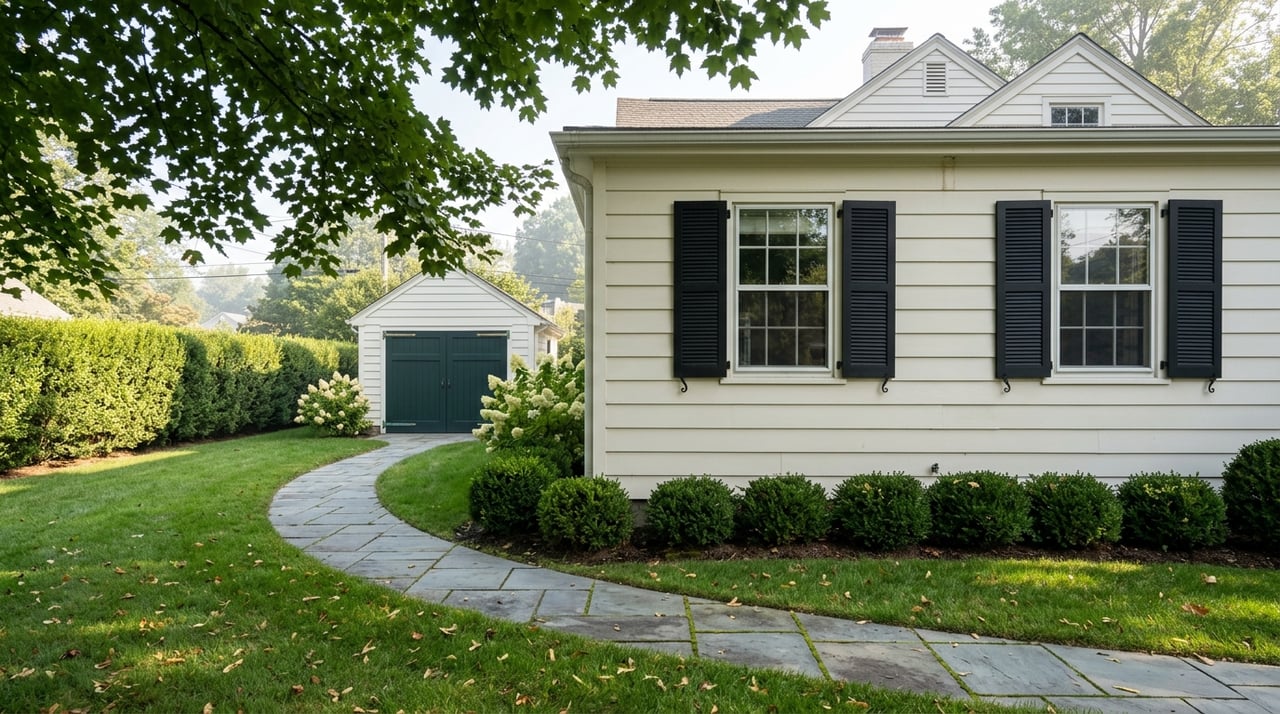
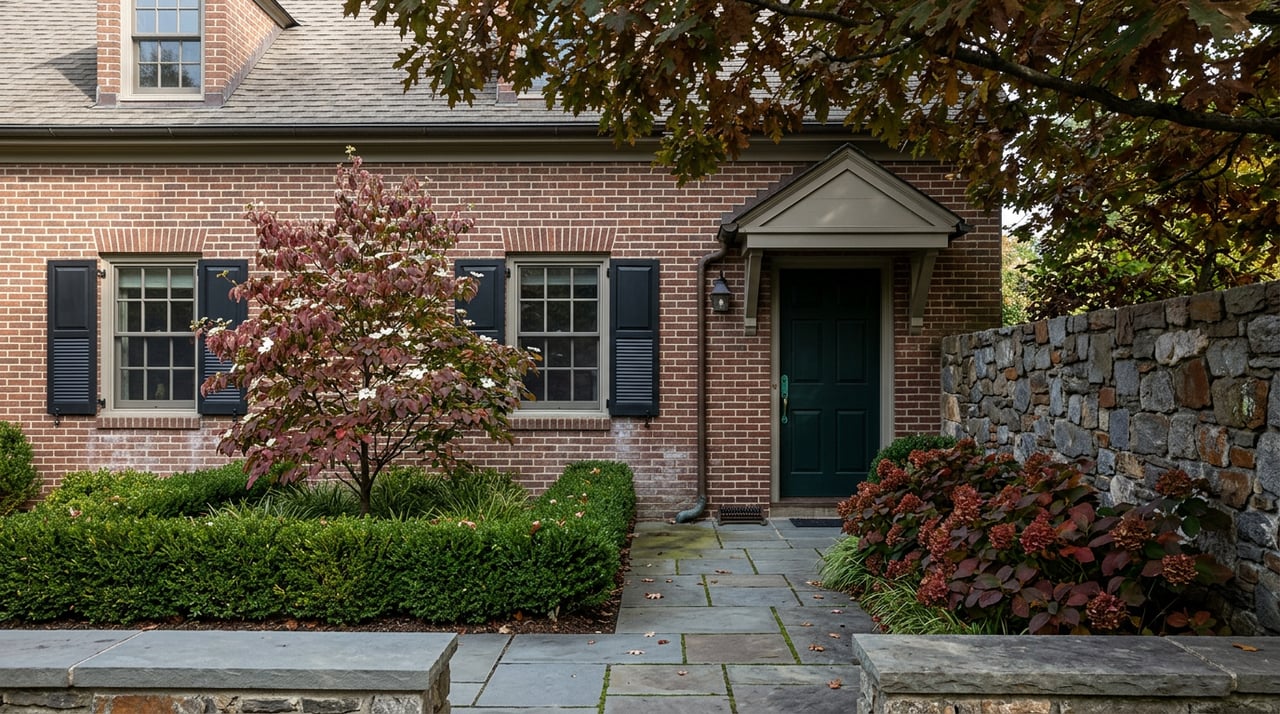
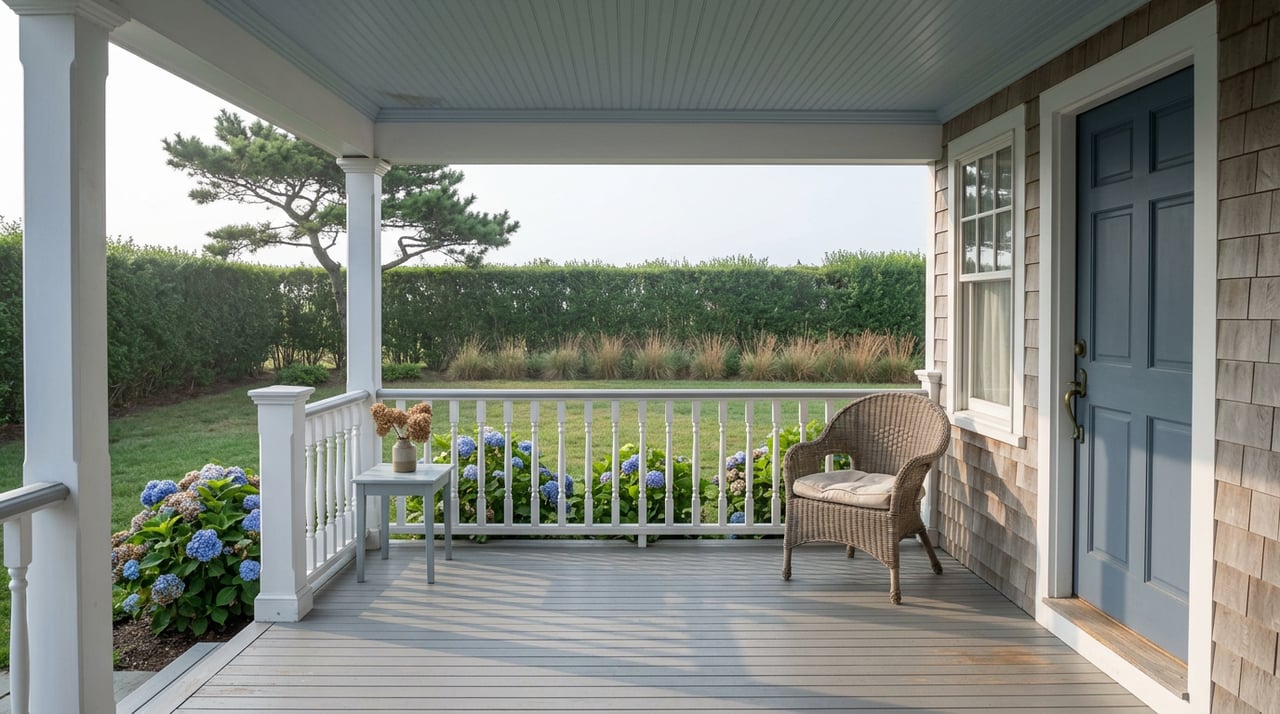
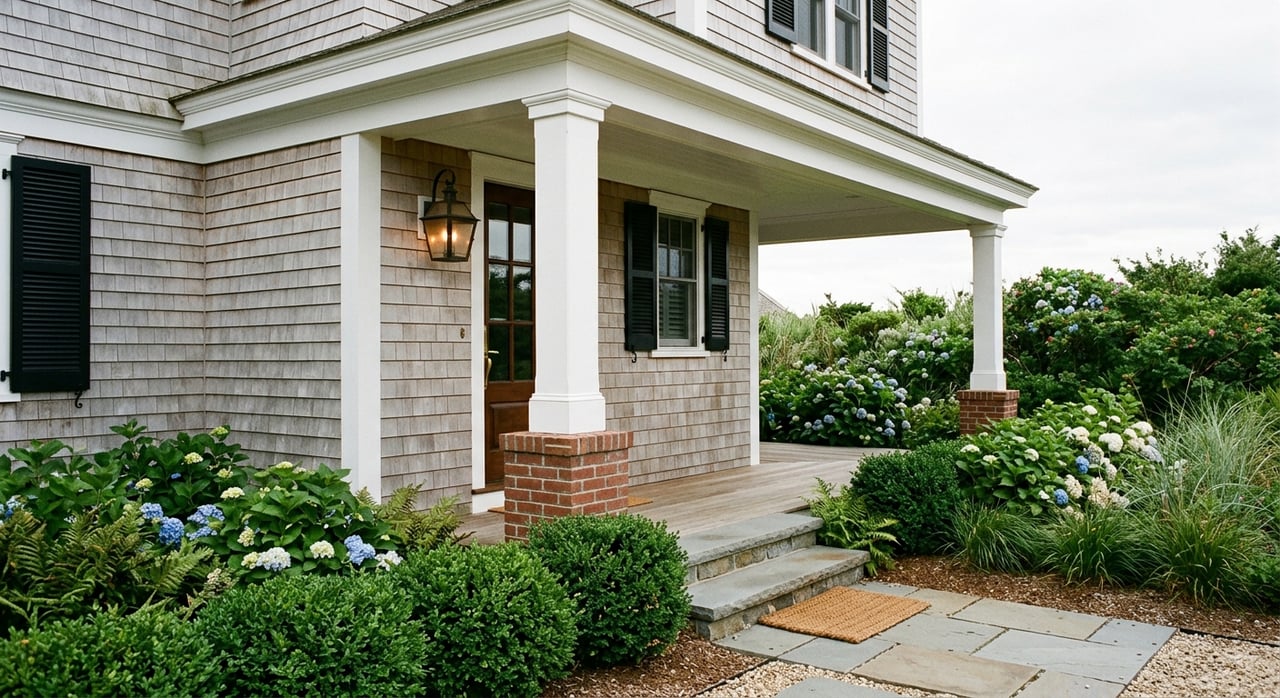
One of Mattapoisett’s strengths is variety. The town describes its housing as ranging from waterfront residences and colonial village homes to unique suburban developments and farm residences. That means your search does not need to be limited to one narrow idea of coastal living.
If you picture morning walks near the harbor and a more historic setting, the village area may stand out. If you want a little more separation, more traditional residential patterns, or different lot configurations, inland sections may feel like a better match. The key is understanding that Mattapoisett is broader than just a line of homes near the water.
Village living near Water Street
The Water Street area is central to Mattapoisett’s identity. A Massachusetts Historical Commission inventory describes this part of town as The Village, bounded by Mattapoisett Harbor, Linhares Avenue, and Pearl Street. The area includes 35 buildings, mostly houses, with many built between the late 18th and mid-19th centuries.
Architecturally, the dominant styles include Federal and Greek Revival homes, along with some Shingle Style houses and larger structures on generous parcels farther east. For you as a buyer, that can translate into a setting with visible historic character and a strong sense of place. It also means homes in and around the village may differ meaningfully in age, layout, and upkeep, so a careful property-level review matters.
Why the village feels more walkable
Mattapoisett’s zoning helps support the traditional village pattern. The town’s Village Business Development framework is intended to keep civic and commercial activity in a central walkable district and encourage pedestrian-friendly use. In practical terms, that helps explain why parts of the village feel more compact and connected than a typical suburban shoreline neighborhood.
If you are comparing lifestyle options, this distinction matters. Some buyers want a retreat where they can leave the car parked and enjoy a more village-centered routine. Others prefer a quieter residential setting with less activity nearby. Mattapoisett gives you both, depending on where you focus.
Waterfront access shapes daily life
For many Boston-area buyers, the waterfront is the reason to look here in the first place. Mattapoisett’s harbor system supports boating, paddling, swimming, and time outdoors in ways that shape everyday life, not just vacation weekends. If your idea of a coastal retreat includes being on or near the water regularly, the town offers several public touchpoints.
The primary boating access is at the Town Wharf using the state ramp, while the Town Landing is used mostly for kayaking and shallow-draft trailerable vessels. The town also maintains waterfront waiting lists for boaters. Mooring permit holders may tie up at the Middle Wharf Float, Mello Wharf Float, and Barstow Wharf Floating Docks, and pump-out facilities are located on the Long Wharf.
Beaches and parks to know
Mattapoisett Town Beach on Water Street is one of the clearest examples of the town’s seasonal waterfront culture. The site supports swimming, wildlife observation, and a recreation department camp. It also includes a pavilion, playground, sailboat storage, kayak storage, a floating pier, and rinsing showers.
Ned’s Point is another town-owned park and beach that adds to the appeal. It includes a lighthouse, beach access, picnic areas, and space for activities such as swimming, picnicking, kayaking, and fishing. Shipyard Park at the Town Wharf also adds useful harbor infrastructure, including a boat launch, docks, boat slips, and parking for cars and truck trailers.
Beyond the harbor: trails and open space
A coastal retreat is not only about boating and beaches. Mattapoisett also offers meaningful access to trails and conservation land, which can make the town feel livable across more of the year. That matters if you are not just shopping for a summer address, but for a place you can enjoy in spring, fall, and even winter weekends.
Nasketucket Bay State Reservation offers 209 acres of wooded trails, open fields, and rocky shoreline, with free parking and dawn-to-dusk access. The reservation is known for quiet wooded trails through coastal forest and woodland. For buyers who want outdoor access without a long drive, this kind of amenity can be a real part of day-to-day life.
The Mattapoisett Rail Trail is another strong lifestyle feature. In 2023, the 1.5-mile Shining Tides section was added, bringing the shared path to 7.5 miles from Mattapoisett to the Fairhaven waterfront and connecting it to the South Coast Bikeway and East Coast Greenway. If walking, biking, and low-key outdoor recreation matter to you, this expands what the town can offer beyond the shoreline itself.
The seasonal rhythm is part of the appeal
Mattapoisett has the kind of town calendar that helps a second-home purchase feel like more than just a property decision. The waterfront page highlights events such as Harbor Days, the Lions Club Triathlon, the July 4 Road Race, and Friday Cruise Nights. These touchpoints help create a sense of seasonality and local tradition.
For some buyers, that atmosphere is a major part of the draw. You may want a place that feels active in summer but still grounded in a year-round town setting. Mattapoisett’s mix of harbor access, village character, and recurring community events supports that balance.
Practical details buyers should verify
This is where a coastal purchase requires a bit more care. In Mattapoisett, not every waterfront amenity is simply open access. The town states that parking passes are required at Town Landing, Hiller’s Cove Beach, Town Beach, and Town Wharf, and those passes are available only to residents and property owners, with some eligibility for year-round and winter renters.
The town also says one guest pass per residence may be purchased by the property owner, but it is not valid at the Town Wharf. If beach access, parking, boating convenience, or hosting guests is part of your plan, these details should be reviewed early. It is better to confirm what rights or eligibility come with ownership before you make assumptions based on location alone.
Boating and access rights need clarity
If you are buying with boating in mind, take an especially careful approach. The town’s waterfront system includes permits, waiting lists, and different facility rules. That means you should verify what actually conveys with a property and what does not.
For example, you should not assume that buying near the water automatically gives you dock access, mooring rights, launch privileges, or special parking benefits. Those are property-specific and town-rule questions. A careful review upfront can protect your budget and help align your purchase with how you really plan to use the home.
Is Mattapoisett the right coastal fit?
If you know Cape markets but want a quieter Buzzards Bay alternative, Mattapoisett may be worth serious consideration. It combines a small-town coastal setting with a strong harbor tradition, varied housing options, and a lifestyle that extends beyond peak summer weekends. For many Boston-area buyers, that mix feels both practical and special.
The right purchase here starts with matching the property to your actual goals. You may want walkable village character, a waterfront setting, easier boating logistics, or simply a peaceful place near the bay. If you want help thinking through the tradeoffs with a careful, consultative approach, Crystal Paolini can help you evaluate the move with clarity.
FAQs
What makes Mattapoisett appealing for Boston-area coastal buyers?
- Mattapoisett offers a quieter Buzzards Bay setting, a long history as a summer destination for Boston residents, varied housing types, and strong access to waterfront recreation and trails.
What types of homes can you find in Mattapoisett?
- The town says housing ranges from waterfront residences and colonial village homes to suburban developments and farm residences.
What is the village area like in Mattapoisett?
- The Water Street village area is historically layered, includes many homes built between the late 18th and mid-19th centuries, and feels more compact and walkable because of the town’s village-centered zoning framework.
What waterfront amenities are available in Mattapoisett?
- Buyers will find boating access at the Town Wharf and Town Landing, town beach and park amenities, mooring-related facilities, and public waterfront areas such as Ned’s Point and Shipyard Park.
Do Mattapoisett waterfront amenities require permits or passes?
- Yes. The town says parking passes are required at several waterfront locations, and eligibility is tied to residency, property ownership, and in some cases certain rental status.
What should buyers verify before purchasing a coastal property in Mattapoisett?
- You should confirm whether any dock, mooring, launch, parking, or related waterfront access rights come with the property rather than assuming they do based on location alone.