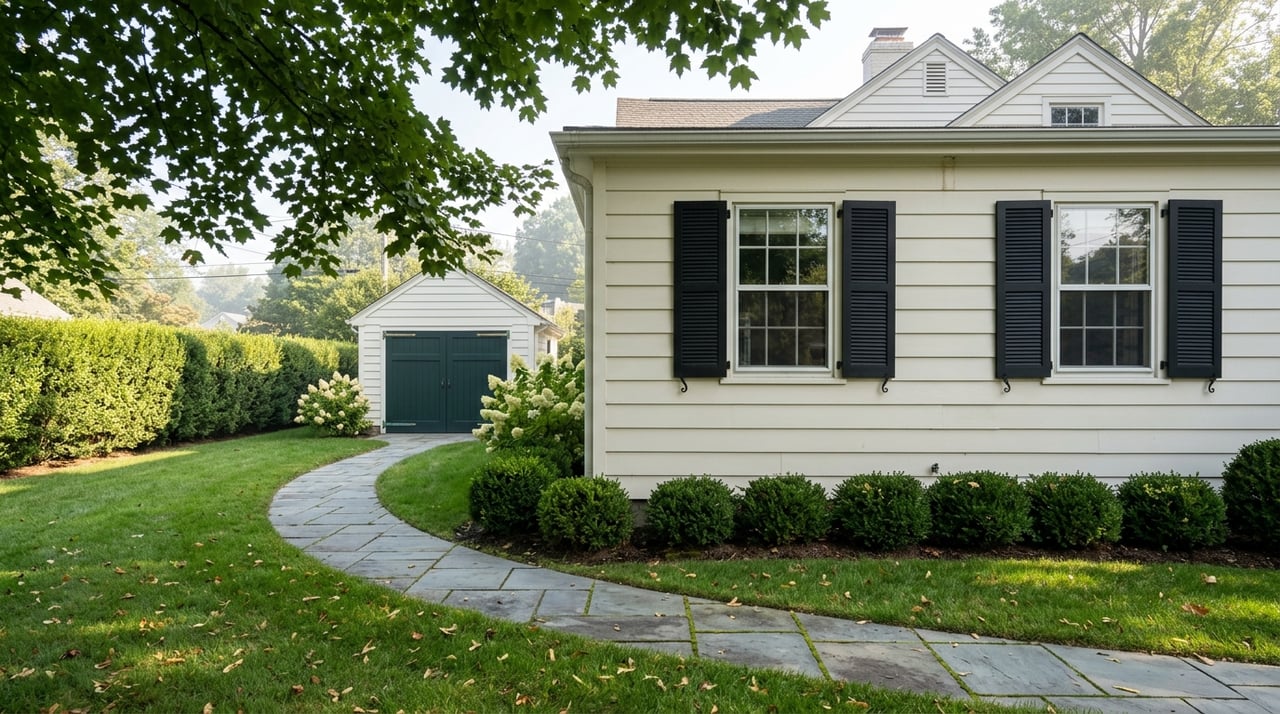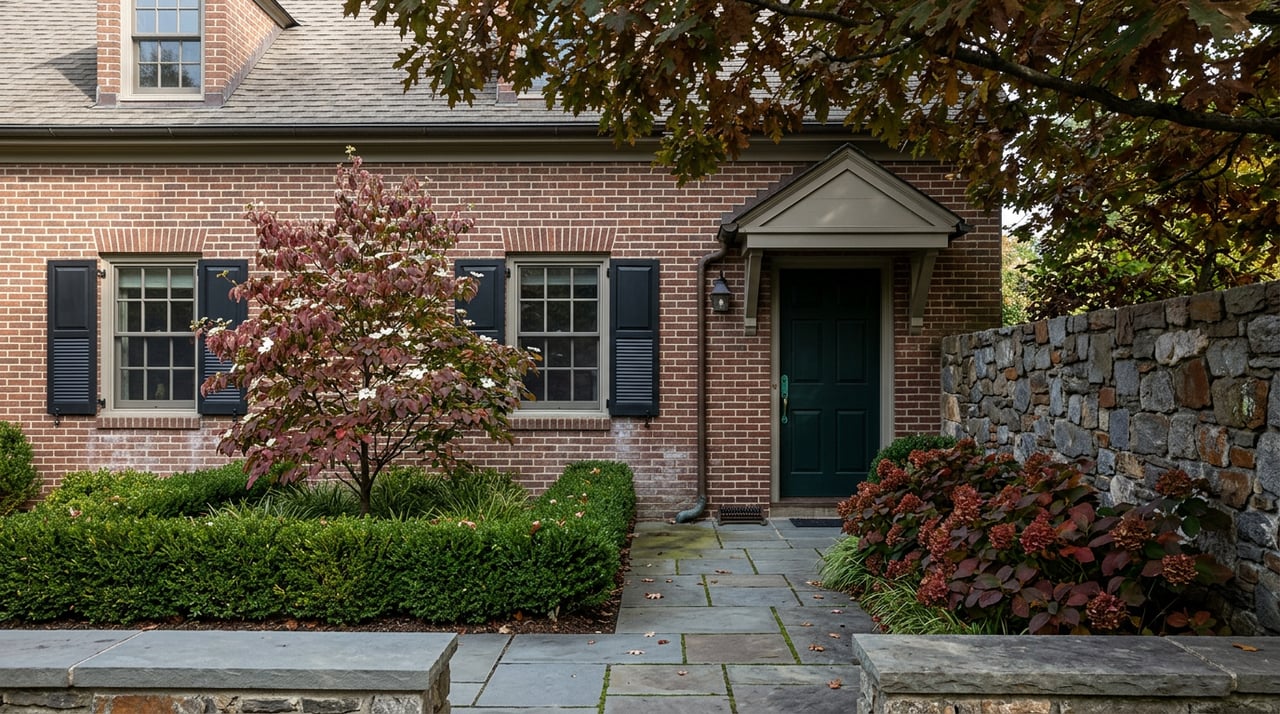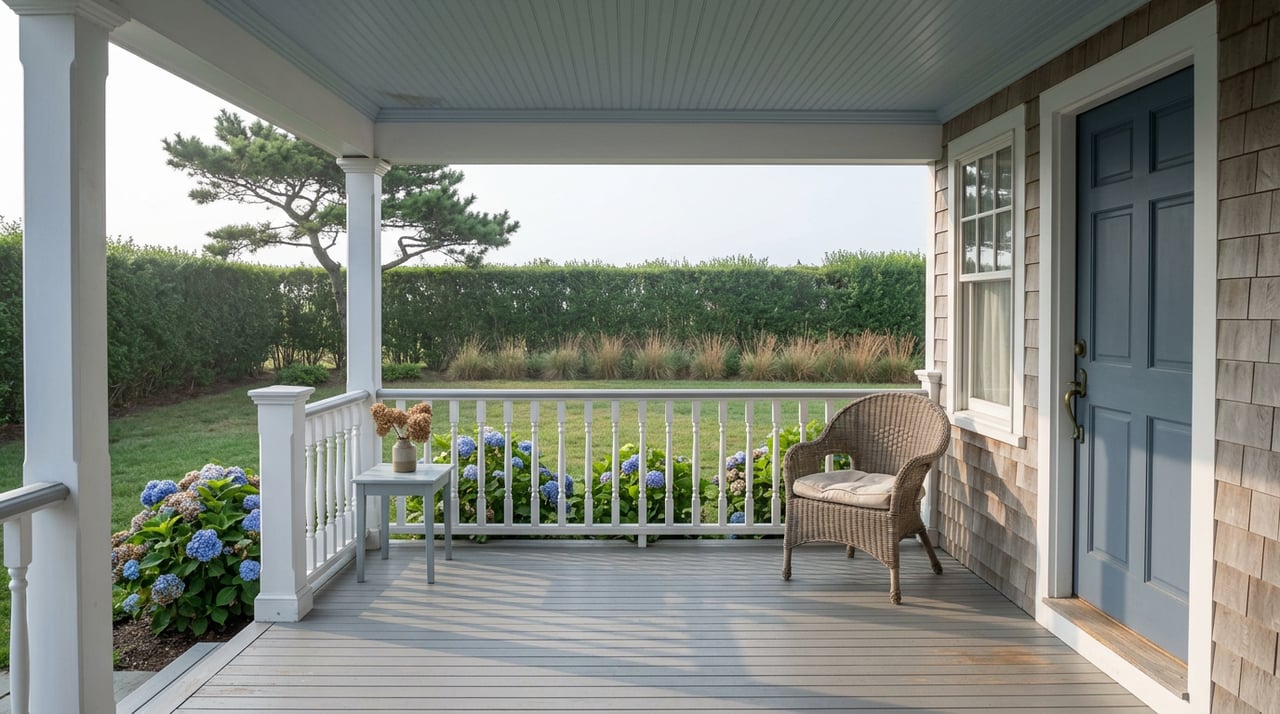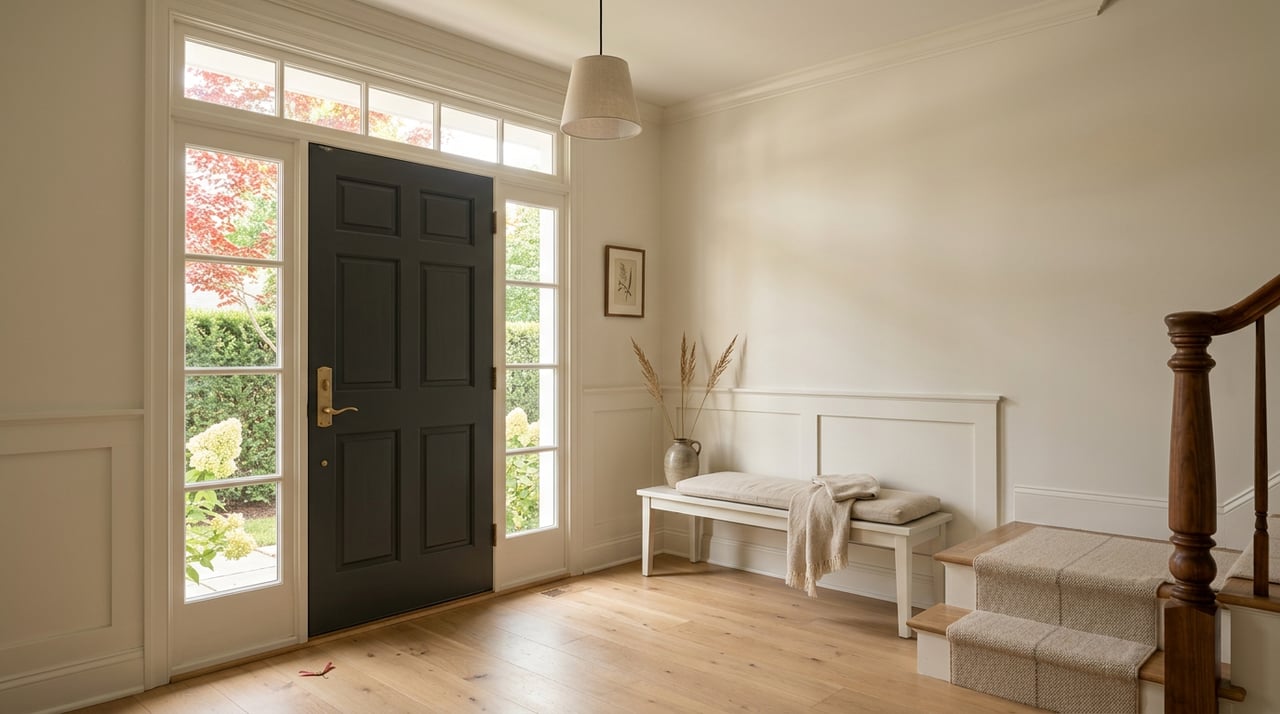
Wondering whether you should expand your current home, renovate what you already have, or make a move in Needham? You are not alone. In a town with older housing, high home values, and limited turnover, this decision can feel both emotional and financial. The good news is that a smart choice usually comes down to a few local factors you can actually evaluate. Let’s dive in.
Why this question is so common in Needham
Needham gives homeowners a very specific mix of opportunity and constraint. The town’s housing stock is older, mostly single-family, and often full of charm, but that also means many homes were built for a different era of living. According to Needham’s housing plan, 52.9% of the housing stock predates 1960.
That matters because older homes often raise the same questions. Do you rework the layout? Do you add space? Or do you sell and find a house that already fits your needs better? In Needham, that choice is especially important because home values remain high and available inventory is limited enough to affect your options.
Recent market trackers point in the same general direction, even if the exact figures differ by source and timing. Zillow reported a typical home value of about $1,565,418 as of April 30, 2026, Redfin reported a median sale price of $2.1 million in March 2026, and Realtor.com showed a median sold price of $2,025,000 in April 2026 with 63 homes for sale. The exact number is less important than the big picture: Needham is still a high-value market.
Start with your real problem
Before you price contractors or browse listings, get clear on what is not working in your current home. Sometimes the issue is space, but often it is function. A house can have enough square footage and still feel hard to live in if the layout, storage, or systems no longer fit your day-to-day life.
Ask yourself a few simple questions:
- Do you need more square footage, or better use of the space you already have?
- Is the problem one room, or the whole house flow?
- Does your lot seem large enough to support an addition?
- Would a project solve the issue, or would you still want to move afterward?
- How much disruption are you willing to live through?
Once you know the real problem, the decision becomes much clearer.
When remodeling makes sense
Remodel if the layout is the main issue
A remodel often makes the most sense when your main pain points are inside the existing footprint. You may want to update the kitchen, improve circulation, create a better mudroom setup, or modernize older systems and finishes. In a town like Needham, where many homes were built decades ago, that is a common scenario.
If your home already sits well on the lot, a remodel may be the simplest path. You can focus on livability without immediately running into the zoning and lot-capacity questions that often come with an addition. That can make the planning process more straightforward.
Remodel if site limits make expansion difficult
Even if you want more room, your lot may not cooperate. Needham’s zoning rules vary by district and can sharply affect what is possible. In some districts, minimum lot size is 43,560 square feet with 150 feet of frontage, while in others it is 10,000 square feet with 80 feet of frontage.
Those rules matter because additions must fit within setbacks, lot coverage, floor area ratio, and the town’s 35-foot height cap. If your lot is already tight, a well-planned remodel may bring more value and less friction than trying to force a larger footprint.
When adding on makes sense
Add on if your lot can support it
An addition can be a strong option if you like your location, want to stay, and need meaningful extra space. But in Needham, the key question is not just what you want to build. It is whether your lot can legally support it.
This is where many homeowners should slow down. The fact that your current house is legal does not automatically mean a major addition will be legal too. Needham’s bylaw includes limited pathways for some older nonconforming properties, but those protections depend on the lot’s history and the scope of the work.
Feasibility comes before design
In Needham, the smartest sequence is feasibility first, design second. Before you get attached to plans, confirm whether the addition can fit within the required setbacks, lot coverage limits, FAR rules, and district standards.
For home additions, the town requires a surveyor-certified boundary plot plan. That plan must show lot lines, setbacks, the proposed addition, accessory structures, utilities, lot size, lot coverage, and the zoning district. The town also asks for a zoning analysis before submission.
Site conditions can change the process
Even if the numbers work on paper, site conditions can add complexity. Needham’s guidance for additions flags issues such as wetlands, floodplain areas, proximity to a river or stream, septic work, scenic roads, and tree removal near a public way.
These details do not always stop a project, but they can affect the timeline, cost, and review process. That is one reason it helps to involve the right professionals early rather than after drawings are already underway.
When moving makes more sense
Move if the project starts acting like a rebuild
Sometimes the best answer is not to pour more money into a house that no longer fits. If your lot is too constrained, your wish list requires major structural work, or the project starts looking more like a teardown-level investment, moving may be the cleaner option.
That is especially true in Needham, where the town’s housing plan notes that teardown activity has been a major concern and where only 19 net new single-family homes were added from 2010 to 2020. In other words, suitable homes are not always plentiful, but there can still be real value in selling a property with strong land or redevelopment appeal.
Move if your equity can work harder elsewhere
With Needham home values still elevated, some homeowners may find that selling unlocks equity more efficiently than a major construction project. If the all-in cost of renovating or adding approaches the cost of buying a home that already meets your needs, moving deserves a serious look.
This is not just about sale price. It is about your time, stress, financing, and confidence in the finished result. A move can be the better fit when you want certainty and a faster path to the next chapter.
A practical way to compare your options
Compare cost, value, and disruption
If you are deciding between add on, remodel, or move, keep the comparison grounded in five areas:
- Project budget
- Expected post-project value
- Moving costs
- Financing and tax implications
- Your tolerance for disruption
A remodel may cost less but deliver enough function to keep you happy for years. An addition may create the right long-term solution if your lot can support it. A move may be the smarter call if construction costs rise, timelines stretch, or the finished home still would not fully solve the problem.
Build your team early
Needham addition projects often require a survey, zoning review, and town permits. The town also requires a building permit for construction, reconstruction, alteration, repair, removal, or demolition, and permits are usually issued within a couple of weeks if the application is complete. If work does not begin within six months, the permit becomes invalid.
Because there are several moving pieces, many homeowners benefit from early conversations with an architect, contractor, land surveyor, and financial advisor. That kind of planning helps you avoid spending time and money on an option that does not make sense for your lot or your goals.
What sellers should consider before renovating
If you are already leaning toward selling, you may be asking a different question: should you renovate first or list the home as-is? In Needham, the answer often comes down to whether the site supports the project and whether the market is likely to pay for the finished product.
A light update can be one thing. A major pre-sale expansion is something else entirely. If zoning, lot coverage, or nonconforming issues make the project uncertain, it may be wiser to bring the home to market with a clear pricing and positioning strategy instead of taking on a complex build.
This is where local market knowledge and construction fluency matter. Some properties are best marketed for their current livability. Others may attract buyers based on renovation or redevelopment potential. The right path depends on the specifics of the house, the lot, and your timeline.
The Needham takeaway
In Needham, the add-on, remodel, or move decision is rarely just about taste. It is about lot capacity, zoning limits, site conditions, budget, and the value of staying versus starting fresh. With older homes, high prices, and limited turnover, the smartest choice is usually the one backed by real feasibility, not guesswork.
If you want a clear, local read on your property and your options, a consultative approach can save you time and expensive missteps. Crystal Paolini brings a neighborhood-rooted, construction-aware perspective to help you evaluate whether it makes more sense to improve, expand, or sell your Needham home.
FAQs
Is my Needham lot big enough for a home addition?
- It depends on your zoning district, frontage, setbacks, lot coverage, FAR, and height limits. In Needham, this is a lot-specific question, not a general one.
Do I need a plot plan for a Needham remodel or addition?
- Needham requires a plot plan for additions and reconstruction, and structural work may also trigger permit requirements.
Can I assume my older Needham home is grandfathered for a large addition?
- No. An existing home may be legal today, but that does not automatically allow a major addition. Nonconforming protections are limited and depend on the property and scope of work.
How long does a Needham building permit usually take?
- The Building Department says permits are usually issued within a couple of weeks if the application is complete, though timing can vary based on review complexity.
Should I renovate my Needham home before selling it?
- It depends on whether the site can support the project and whether the market is likely to pay for the finished result. In some cases, selling without taking on a major project may be the better strategy.