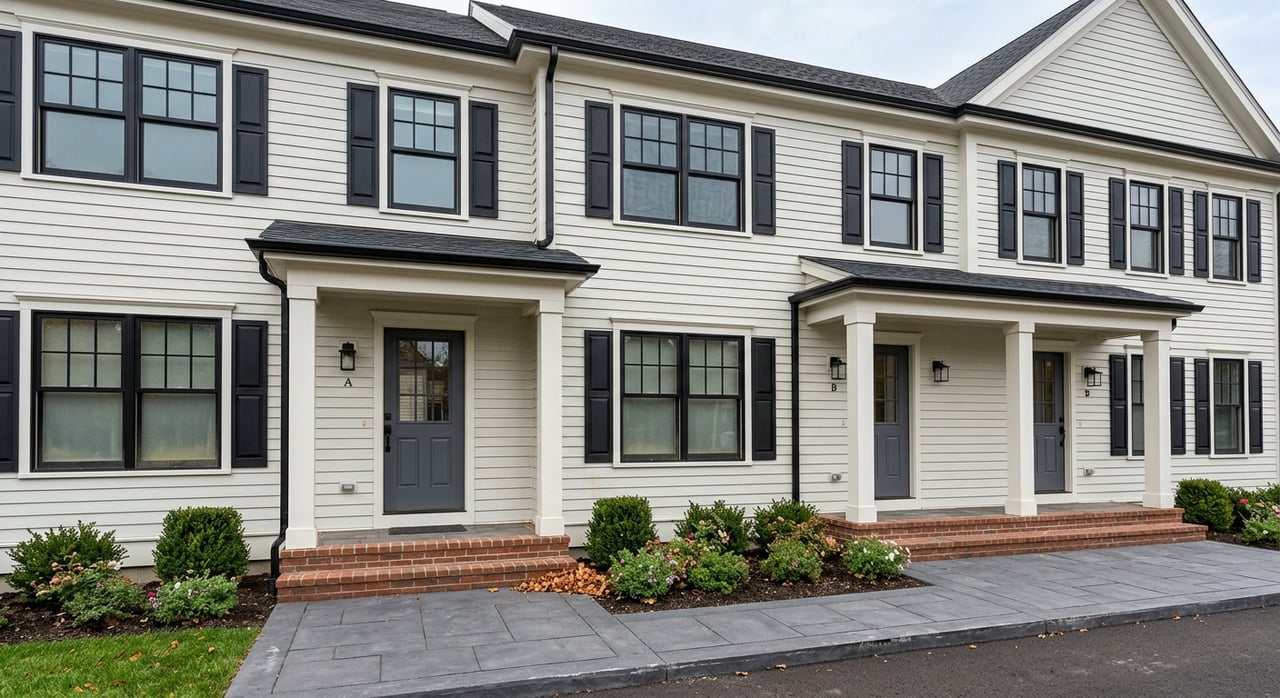
If you’ve been priced out of Boston’s closer-in suburbs or you want newer space without giving up access to the metro area, Marlborough deserves a closer look. More Boston-area buyers are expanding their search west for a simple reason: they want a better match between budget, layout, and lifestyle. If that sounds like you, this guide will help you understand what new construction in Marlborough really looks like, what to watch for, and how to evaluate your options with confidence. Let’s dive in.
Why Marlborough Is Drawing Boston Buyers
Marlborough is showing up in more buyer searches because it offers a different value equation than many inner-ring suburbs. The city’s 2026 forward plan says much of Marlborough’s housing stock was built before 1990 and that the city has fewer options for smaller households. The same plan also notes that average single-family sale prices are lower than the broader Boston metro and Middlesex County.
For Boston-area buyers, that creates an important opening. You may be able to find newer homes, lower-maintenance options, or more square footage than you would closer to Cambridge, Newton, or other nearby suburban markets. If you are comparing trade-offs between commute, price, and product type, Marlborough often enters the conversation for practical reasons.
Transportation is part of the appeal too. City materials describe I-495 as Marlborough’s greatest transportation asset and note that downtown Boston is roughly a 40-minute drive. That does not mean every commute will feel easy, but it helps explain why buyers who want more house for the money are willing to look farther west.
What New Construction Looks Like in Marlborough
If you picture new construction in Marlborough as only detached single-family homes, you will miss a big part of the market. The city’s development dashboard shows a pipeline that is heavily weighted toward multifamily and mixed-use projects. That includes projects such as FD 130 Lizotte, Taj Estates on Main Street, Exchange Place, 28 South Bolton Street, and Green District phases 3 and 4.
In other words, new construction here is not one-size-fits-all. Depending on the project, you may see condo-style ownership, apartment-style buildings, mixed-use communities, or more traditional suburban development. That variety can be a real advantage if your priorities include flexibility, newer finishes, or less exterior maintenance.
A current example is Glenford at Lake Williams at 130 Lizotte Drive. Pulte describes it as a community of single-level condos with flexible floor plans, garage parking, access to major routes, nearby trails, and commuter rail access through Southborough and Westborough. For many Boston-area buyers, that kind of layout offers a very different alternative to an older home that may need updates.
There are also townhouse-style examples in Marlborough. A city council decision for 126 Pleasant Street approved three townhouse-style condominium units of about 1,400 square feet each with two bedrooms, public water and sewer, separate metering, and owner-occupancy restrictions. That matters because some buyers assume a townhome always functions like a single-family home, when in practice it may be structured as a condominium with shared rules and common obligations.
Single-family development still exists as well. Beauchemin Estates at 689 Pleasant Street was noticed as an open-space development proposal with seven lots and one open-space parcel, and more recent planning materials describe it as a single-family development. So if you want lot-based suburban living, there are still examples of that product in Marlborough.
What Features Buyers Commonly See
Newer homes in Marlborough can vary by builder and price point, but a few themes come up often in current product descriptions. Buyers should generally expect open-concept living, flexible layouts, garage parking, and energy-efficient features. Some projects also include smart-home features.
The key is to treat those features as common patterns, not guarantees. One community may prioritize single-level living and convenience, while another may focus more on density, phasing, or mixed-use design. As you compare options, look past the model-home presentation and confirm what is actually included in the base offering versus upgrades.
Why Ownership Structure Matters So Much
For many buyers, the biggest surprise in new construction is not the floor plan. It is the ownership structure. In Massachusetts, condominiums are privately owned and governed through the master deed, deed, bylaws, and Chapter 183A, and the Commonwealth does not regulate condo associations the way many buyers assume.
That means a condo or townhouse purchase is not just about choosing a home you like. It is also about reviewing the documents that control how the property functions. Before you close, you should expect to read the master deed, bylaws, budget, parking provisions, common-area responsibilities, and any rules related to rentals or owner occupancy.
Marlborough approvals show how different these structures can be from one project to the next. The 126 Pleasant Street townhome approval included an owner-occupancy requirement. By contrast, the FD 130 Lizotte project states that each building, or groups of buildings, may be organized as its own condominium and built in phases.
That difference is a good reminder that “new construction condo” is a broad label. Two communities may look similar on paper but operate very differently once you dig into fees, restrictions, phasing, and shared obligations.
How City Review Shapes New Communities
Many new projects in Marlborough go through special permit or site-plan approval. The city also uses development review criteria and design guidelines for multifamily and downtown village district projects. For buyers, that can help explain why newer communities may feel different from older subdivisions.
You may see common open space, walkable design elements, parking limits, or phased development that affects how the neighborhood is completed over time. None of those details are automatically good or bad. They simply need to be understood in the context of how you plan to live in the property.
If you are buying early in a phased community, for example, you may want to understand what later phases could add and when. If you are comparing a detached home with a condo community, you may also want to think about how site design affects privacy, maintenance, and day-to-day convenience.
New Construction Due Diligence Tips
New homes can feel easier to evaluate because everything is fresh and clean. But newer does not mean risk-free. In Massachusetts, for sales after October 15, 2025, a seller or agent cannot condition a sale on waiving a home inspection, and Mass.gov says home inspections are generally recommended even for new homes.
There is a limited exemption for pre-sales of newly constructed homes when the contract is signed before substantial completion and the seller offers at least a one-year express written warranty. Even so, you should not assume a builder warranty replaces an inspection. An inspection and a warranty serve different purposes.
A smart due diligence process for Marlborough new construction usually includes:
- Reviewing exactly what is included in the purchase price
- Confirming upgrade allowances and change-order policies
- Reading builder warranty terms in writing
- Understanding how punch-list repairs will be handled
- Reviewing condo or HOA documents carefully, if applicable
- Asking when association responsibilities begin and when turnover is expected in phased projects
For Marlborough buyers, there is also a useful local construction detail to confirm. Mass.gov says new one- and two-family homes and townhouses in Middlesex County must have a passive radon system installed when they are built. That is the kind of specific item worth verifying during the build process or pre-closing walkthrough.
How Boston-Area Buyers Should Compare Marlborough Options
If you are searching from Boston or the inner suburbs, try to compare Marlborough on total lifestyle fit, not just headline price. A lower purchase price can be appealing, but your decision should also account for ownership structure, monthly fees, commute patterns, and the level of maintenance you want.
Here are a few useful questions to ask as you compare communities:
- Do you want single-level living, townhouse living, or a detached home?
- Are you comfortable with condo documents and shared governance?
- Would garage parking or lower exterior maintenance improve daily life?
- Are you open to a phased development, or do you prefer a completed neighborhood?
- How important is flexibility in layout versus lot size and private outdoor space?
When you answer those questions honestly, Marlborough becomes easier to evaluate. For some buyers, it offers a practical path to newer housing and more space. For others, the ownership structure or commute may point them back toward a different suburb.
The Bottom Line on Marlborough New Construction
Marlborough is worth considering if you want newer housing options and a wider range of price and product types than you may find closer to Boston. The city’s pipeline shows that the story is bigger than single-family homes. Condos, townhome-style units, multifamily communities, and mixed-use projects all play a major role in what buyers will find.
The best approach is to look beyond the word “new.” Pay close attention to how the home is structured, what the documents say, what features are actually included, and how the community is being built and managed. When you do that, you can make a cleaner apples-to-apples comparison with homes in Newton, Cambridge, and other Boston-area suburbs.
If you are weighing Marlborough against other suburban options, having a local advisor who understands both construction details and buyer strategy can make the process much clearer. If you want a thoughtful, data-driven conversation about how Marlborough compares to your other options, schedule a free consultation with Crystal Paolini.
FAQs
What types of new construction are common in Marlborough, MA?
- Marlborough’s current pipeline includes multifamily, mixed-use, condo-style, townhouse-style, and some single-family development, so buyers should expect more variety than just detached homes.
Are new construction homes in Marlborough, MA mostly single-family houses?
- No. The city’s development pipeline is heavily weighted toward multifamily and mixed-use projects, although single-family examples still exist.
What should buyers review before purchasing a new condo in Marlborough, MA?
- Buyers should review the master deed, bylaws, budget, parking rules, rental or owner-occupancy restrictions, and common-area responsibilities before closing.
Do buyers still need a home inspection for new construction in Marlborough, MA?
- Yes. Massachusetts says home inspections are generally recommended even for new homes, and buyers should not assume a builder warranty replaces an inspection.
Are radon systems required in new homes in Marlborough, MA?
- Yes. According to Mass.gov, new one- and two-family homes and townhouses built in Middlesex County must have a passive radon system installed.
Why are Boston-area buyers considering Marlborough, MA new construction?
- Buyers are often drawn to Marlborough for newer housing options, potentially lower single-family pricing than the broader Boston metro and Middlesex County, and access to I-495 with Boston roughly a 40-minute drive according to city materials.