Thinking about buying in Lexington but not sure how to compare a 1700s Colonial to a sleek new build down the street? You are not alone. With homes that span centuries, it can be hard to spot what you are looking at and what it means for your budget and lifestyle. In this guide, you will learn how to identify common Lexington home styles, what layouts to expect, and how age influences maintenance and renovation planning. Let’s dive in.
How Lexington’s housing evolved
Lexington’s homes reflect layers of history. You will find authentic 18th and 19th century houses near Lexington Center and along historic roads. Another wave arrived in the late 19th and early 20th centuries, and then a major suburban buildout followed after World War II. Infill and custom new construction continue today. The result is a market where you might tour a true Colonial-era home in the morning and a high-performance new build in the afternoon.
Historic districts and landmarked properties are also part of the local fabric. Some homes fall under demolition delay or alteration review. If you plan exterior changes, expect guidelines and an extra review step in those areas. The New England climate matters too. Winters bring snow and ice loads, and summers are humid. Insulation, windows, heating performance, and roof condition are key across styles.
How to spot each Lexington home style
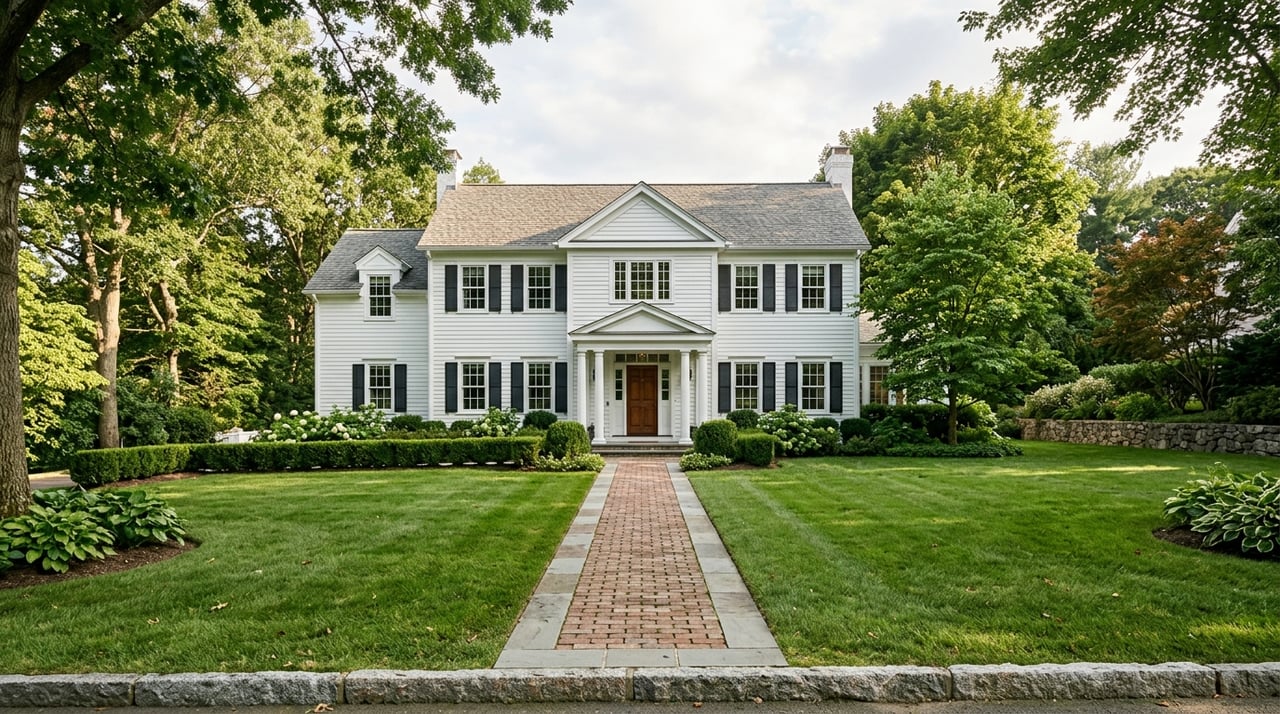
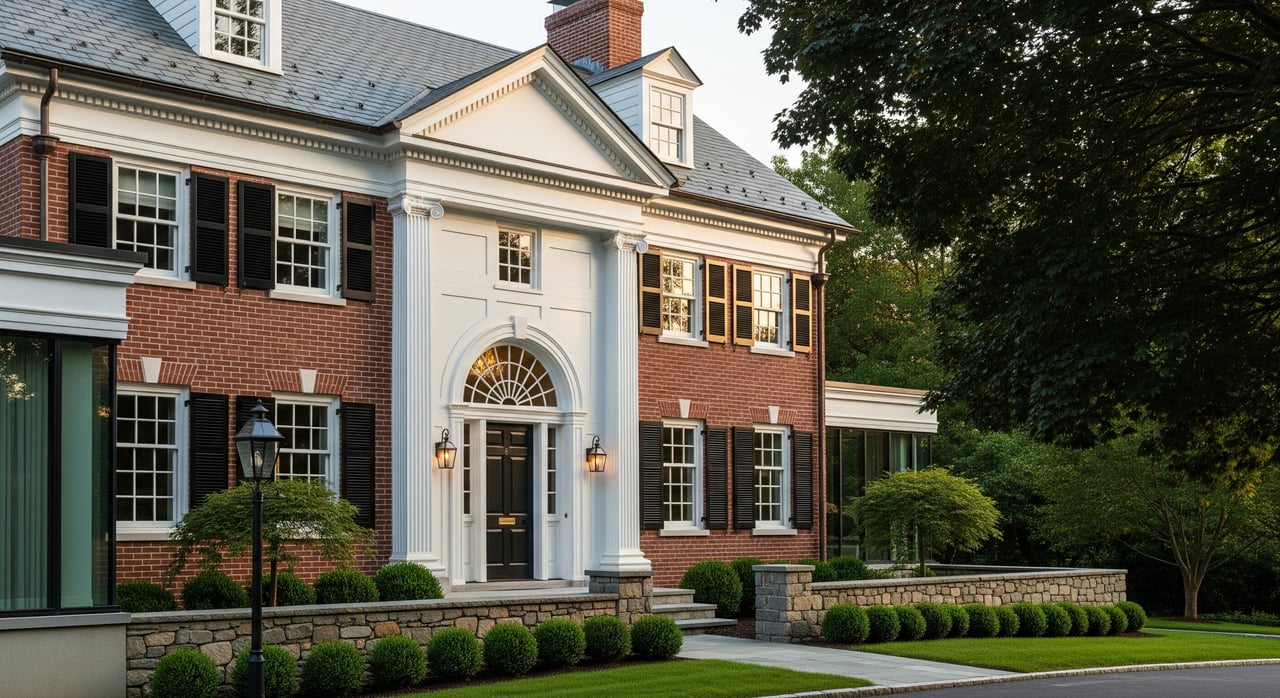
Colonial
- Visual cues: Symmetrical front, centered door with a decorative crown, multi-pane windows aligned in rows, side-gabled roof, and often one or two chimneys. Clapboard or wood siding is common. Some higher-end examples are brick.
- Typical layout: Center-hall or center-chimney plan with distinct rooms. Kitchens were originally smaller and set to the rear. Ceiling heights vary by era.
- What to know: Historic details like wide plank floors, original fireplaces, and moldings may be protected in certain districts. Plan for upgrades to electrical and plumbing, added insulation, and attention to stone foundations. Moisture management around older masonry and chimneys is important.
Cape Cod
- Visual cues: Low, broad 1 to 1.5 story profile with a steep gable roof. Central front door flanked by windows. Many later Capes have dormers.
- Typical layout: Compact footprint with bedrooms at the ends or under the roof. Original kitchens were smaller, though many have been opened up.
- What to know: Second-floor headroom can be limited without dormers. Attic insulation and roof condition are top priorities in our climate. Expanding with dormers or additions requires careful roof and structure planning.
Mid-century (ranch and split-level)
- Visual cues: Ranches have a low, long profile and often an attached garage. Split-levels have staggered floors with a foyer between levels. Some mid-century modern variants feature larger windows, clean lines, and low-pitched or flat roofs.
- Typical layout: More informal living with family rooms and dining spaces that may be semi-open. Basements are common and often hold mechanicals or living areas.
- What to know: Original single-pane windows and minimal insulation make energy upgrades valuable. Low-pitched or flat roofs need scrutiny due to snow and freeze-thaw exposure. Watch for asbestos-containing materials in homes built or renovated through the 1970s.
Contemporary (1970s–2000s)
- Visual cues: Asymmetry, multiple gables, mixed materials, and larger footprints. Attached garages are common. Kitchens and family rooms reflect modern living patterns.
- Typical layout: More open gathering spaces, multiple baths, and primary suites show up in later decades. Systems may be mid-life depending on the year built.
- What to know: Many were built before current energy codes. Insulation and window upgrades can boost comfort and efficiency. Complex rooflines can increase roofing and flashing costs. Confirm permits for additions and past renovations.
Recent new construction
- Visual cues: Larger windows, updated exterior details, integrated garages, and professionally landscaped lots. Energy-efficient features and smart home systems are more common.
- Typical layout: Open plans, larger kitchens, mudrooms, first-floor suites in some designs, and modern mechanicals.
- What to know: New builds follow current Massachusetts building and energy requirements. Review builder warranties, insulation specs, heating and cooling equipment, and, if provided, any energy modeling. On tighter lots, scale and setbacks can influence future changes.
Age, systems, and what they mean for you
Typical lifespans to keep in mind
- Roof (asphalt shingles): about 20 to 30 years, depending on exposure.
- Heating system: about 15 to 25 years. Boilers can last longer with care.
- Air conditioning: about 10 to 15 years.
- Water heater (tank): about 8 to 12 years.
- Windows: original wood frames can last much longer structurally, but efficiency becomes the driver for upgrades.
- Electrical service: older homes may have 60 to 100 amps. Modern standards are often 200 amps. Knob-and-tube or aluminum wiring may require rewiring.
- Plumbing: galvanized steel is prone to corrosion. Cast iron drains can be long-lived but may fail with age. Copper and plastics came later.
Renovation scope by style
- Colonial: Expect electrical and plumbing updates, insulation work, chimney and masonry maintenance, and careful kitchen and bath changes. Historic review can add time.
- Cape: Dormers and roof work are common to expand upstairs. Kitchens and baths often need modernization. Energy upgrades deliver solid returns.
- Mid-century: Energy retrofits, window replacements, and roof work are typical. Kitchens, baths, and basement finishing are common projects. Test for asbestos before demolition.
- Contemporary: System updates, kitchen and bath refreshes, and insulation improvements are key. Roof complexity can influence costs and timelines.
- New construction: Minimal near-term maintenance beyond punch list items. Landscaping and grading may settle in the first year. Customization tends to be simpler while warranties are active.
Climate-specific priorities in Lexington
- Insulation and air sealing: Attic, wall, and basement upgrades reduce drafts and improve comfort.
- Roof integrity: Snow and ice can stress older roofing and flashing, especially on low-pitched areas.
- Windows and doors: Quality glazing and proper installation help with winter heat loss and summer humidity.
- Heating performance: A well-maintained furnace or boiler and balanced distribution make a big day-to-day difference.
Permits, historic review, and timing
Plan on permits for structural changes, major roofing projects, and any electrical, plumbing, or HVAC work. If a home sits in a historic district or is a designated landmark, exterior changes may require local review. That review focuses on preserving visible historic character. Build in extra time for applications and meetings. For larger projects, allow months for design, bidding, permitting, and construction.
If you are considering a teardown or major addition, confirm zoning, setbacks, and any demolition delay rules early. Past work should have a permit history. Ask for records to verify that renovations were inspected and closed out properly.
Touring checklist for buyers
- Identification and age
- Year built and known additions or major alterations
- Whether the property is in a historic district
- Mechanical systems
- Heating, cooling, and water heater ages and service records
- Electrical panel size and wiring type
- Roof age and gutter condition
- Structure and envelope
- Foundation type and any signs of moisture or settlement
- Window type and condition
- Insulation levels, especially in the attic
- Health and materials
- Testing or records for lead paint or asbestos in older homes
- Renovations and permits
- Copies of permits for additions or major work and proof of final inspections
- Any open permits or code issues
- Lifestyle fit
- Floor plan flow and bedroom locations relative to your needs
- Storage, garage, and mudroom practicality for New England living
- Near-term costs
- Receipts or warranties for roof, HVAC, windows, and other big-ticket items
- Seller’s list of recommended near-term maintenance
Red flags worth a pause
- Active leaks or chronic moisture at the foundation or roof
- Unpermitted additions or incomplete permit closures
- Significant structural movement or uneven floors that suggest settlement beyond normal age
- Energized knob-and-tube wiring or undersized electrical service relative to modern needs
- Old or unknown oil tanks, especially if underground
- Chimneys or vents that are mismatched to current heating equipment
Which style fits your lifestyle
- You love history and character: A Colonial offers timeless curb appeal and craftsmanship. Plan for system updates and sympathetic renovations if original details remain.
- You prefer compact and efficient: A Cape delivers a smaller footprint and expansion potential with dormers. Focus on insulation and roof planning.
- You want easy living on fewer stairs: A ranch or split-level can offer flexible family zones. Energy upgrades and roof condition deserve attention.
- You like open, modern spaces: Late 20th century contemporaries often have the kitchen-family room flow you want. Improve comfort with insulation and window work as needed.
- You want move-in-ready efficiency: New construction provides modern systems, open plans, and current code compliance. Review warranties and specifications.
Buying in Lexington means choosing not just a look, but a way of living and maintaining a home in a true New England climate. If you want construction-savvy guidance as you tour, compare styles, and plan upgrades with eyes wide open, reach out to Crystal Paolini for a consultative, block-by-block perspective.
FAQs
What are the most common home styles in Lexington?
- You will commonly see Colonial and Colonial Revival, Cape Cod, mid-century ranches and split-levels, 1970s to 2000s contemporaries, and recent new construction.
How do historic districts affect renovations in Lexington?
- Homes in historic districts or with landmark status may require review for exterior changes and can be subject to demolition delay, which adds time and guidelines.
What energy upgrades deliver the most value in older Lexington homes?
- Attic insulation and air sealing, quality windows or storms, and tuned heating systems typically offer strong comfort and efficiency gains in this climate.
How long do major systems last in Lexington’s climate?
- Roofs often last about 20 to 30 years, heating 15 to 25, AC 10 to 15, and tank water heaters 8 to 12, depending on maintenance and exposure.
What inspections should I order for an older Lexington home?
- In addition to a home inspection, consider electrical, chimney, and energy audits, plus lead paint and asbestos checks for pre-1978 or mid-century properties.
Are mid-century split-levels hard to renovate?
- They are usually moderate in complexity, with energy upgrades and roof work common; structural spans or flat roofs may require careful planning and engineering.