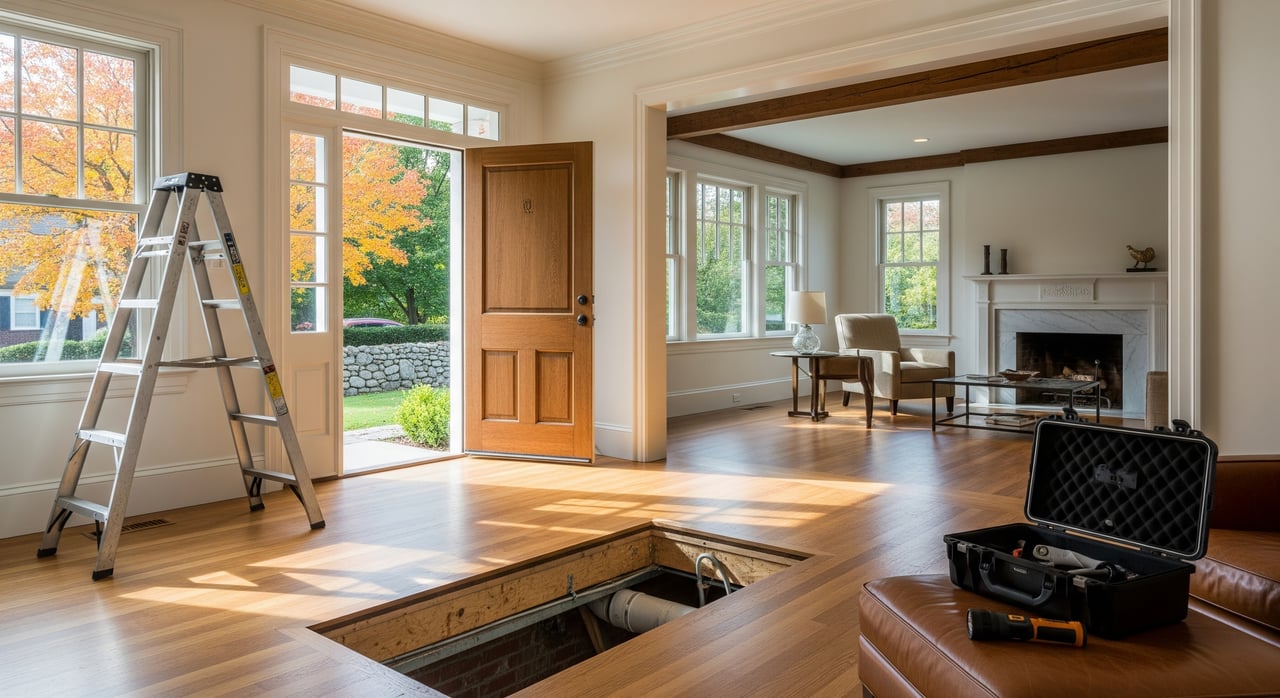
You found a home you love in Watertown, and now comes the inspection. It can feel like a lot, especially with older New England houses and fast-moving timelines. With the right plan, you can use the inspection to understand the property, set priorities, and negotiate with confidence. In this guide, you will learn what inspectors look for locally, how long the process takes, what it costs, and how to act on the results. Let’s dive in.
What a Watertown inspection covers
Exterior and structure
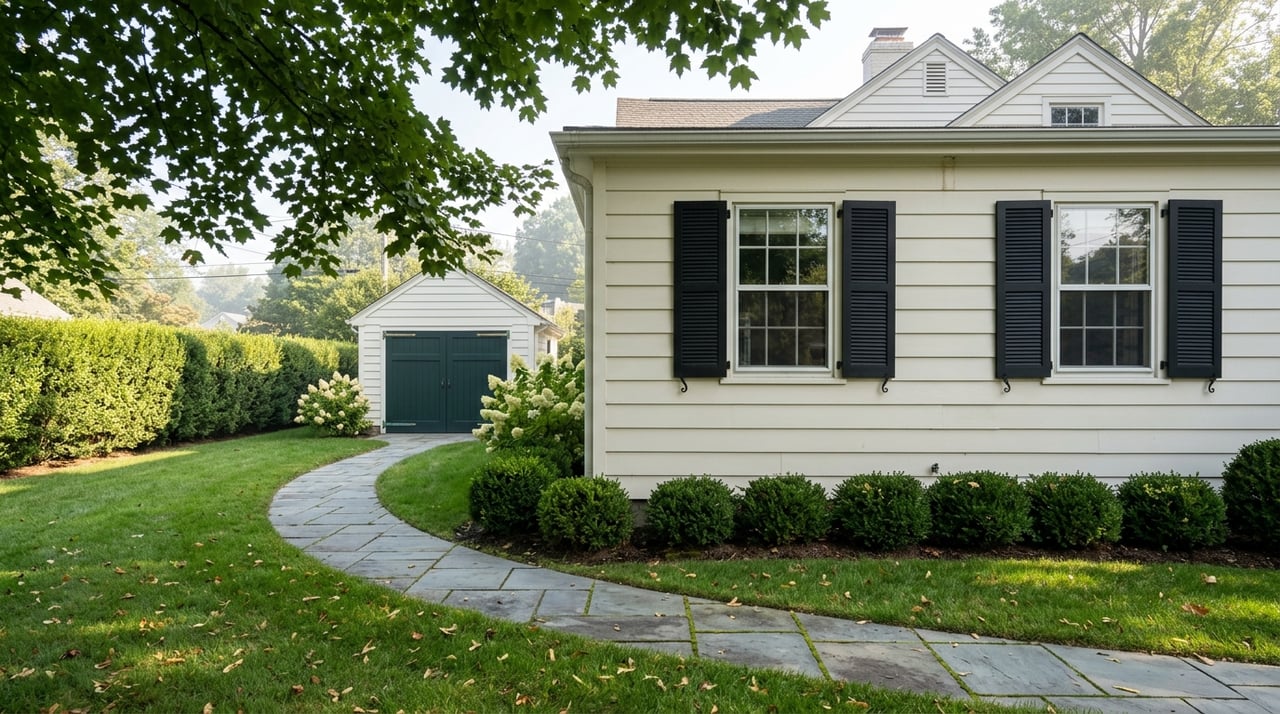
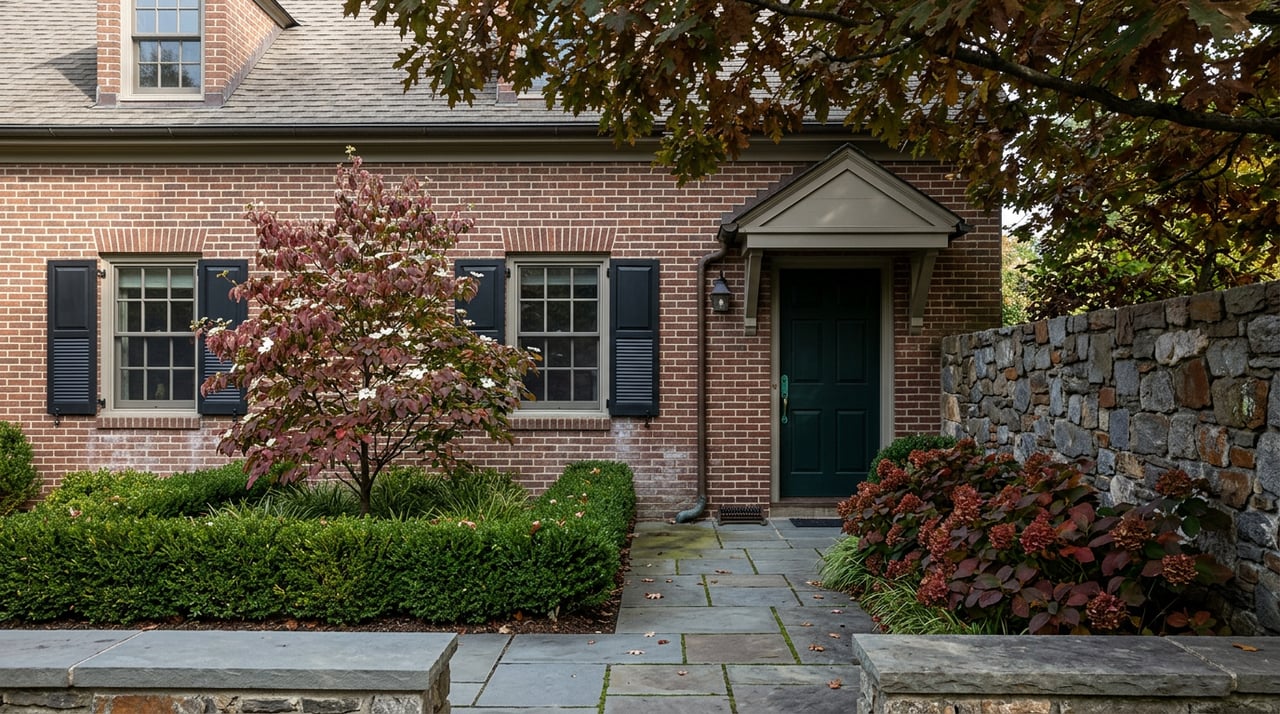
Your inspector surveys the roof, siding, trim, windows, doors, porches, decks, and grading to see how water is managed around the house. In basements, they evaluate visible foundation walls and framing for cracks, moisture, or movement. Because many Watertown homes are older, your inspector will pay close attention to signs of settlement, rot, or past repairs.
Roof and attic
Expect notes on roof condition, estimated remaining life, flashing, and skylights. In the attic, the inspector checks ventilation, insulation levels, and any evidence of leaks or condensation. Ice dams and ventilation issues are common in New England, so attic moisture is a frequent focus.
Plumbing and electrical
Inspectors evaluate visible supply and drain pipes, water heaters, fixtures, and water pressure. On the electrical side, they review the service entry, main and subpanels, grounding, and a sample of outlets and switches. In older homes, they look for outdated panels, missing GFCIs in wet areas, and older wiring methods that may need upgrades.
Heating and cooling
You will get a basic assessment of the boiler or furnace, distribution system, venting, and any cooling equipment. The inspector identifies visible leaks, age, and safety issues like improper combustion or venting concerns. For steam or older oil-to-gas conversions, additional specialist evaluation may be recommended.
Interiors and safety
Windows, doors, walls, ceilings, and floors are checked for function and signs of water damage. Expect comments on smoke and carbon monoxide alarms, handrails, and trip hazards. Appliances are typically tested if built in and accessible.
Scope and limitations
A home inspection is visual and noninvasive. Inspectors do not open walls, verify permits, or certify code compliance. For clarity on industry standards, review the ASHI Standards of Practice and the InterNACHI Standards of Practice.
Local issues to watch in Watertown
Aging systems and wiring
Many properties were built before 1978, so you may encounter older electrical panels, ungrounded outlets, or older wiring types. Heating systems may be original or mid-century, with steam or hot-water boilers that need routine maintenance or upgrades. If safety defects are flagged, plan to consult a licensed electrician or HVAC contractor.
Moisture and foundations
Basement water stains, efflorescence, or dampness are common in the region. Older stone or early concrete foundations sometimes need tuckpointing, drainage improvements, or waterproofing. Exterior grading and downspout extensions often help manage runoff and reduce seepage.
Lead paint and asbestos
Homes built before 1978 may contain lead-based paint, and some older materials can contain asbestos. Testing is not part of a standard inspection and requires specialists. If the home is older, plan your risk assessment and testing as needed.
Radon
Much of Massachusetts has elevated radon potential, so testing is commonly recommended. Learn more from the EPA’s radon guidance and the Massachusetts radon resources. Radon monitors typically run for 48 hours under closed-house conditions.
Buried or abandoned oil tanks
Some older homes once used oil heat and may have underground or abandoned tanks. An electronic oil tank sweep can help identify hidden tanks, which can be costly to remediate if leaking. Your inspector can advise when to bring in a specialist.
Timeline, scheduling, and deliverables
When to schedule
Most buyers book the inspection right after offer acceptance and within the inspection contingency window. In competitive Greater Boston markets, contingencies are often 5 to 7 days. A more typical window in balanced markets is 7 to 10 days. Schedule early so you have time for any follow-up tests.
How long it takes
A standard single-family inspection usually takes 1.5 to 3 hours. Larger or multi-unit properties can take 3 to 5 hours or more. Most inspectors deliver a written, photo-rich report within 24 to 72 hours, with a same-day verbal summary.
What it costs
- Single-family or condo inspection: about $350 to $800, based on size, age, and complexity.
- Multi-unit buildings: about $500 to $1,200 or more, depending on unit count and scope.
- Common add-ons: radon test $100 to $250, sewer scope $150 to $400, oil tank sweep $150 to $350, chimney inspection $100 to $300, and mold or lead sampling varies by lab fees.
Prices vary by provider and season. Ask for a written quote that outlines services and any add-ons.
Optional tests worth considering
Radon test
Because radon potential is elevated in Massachusetts, a 48-hour test is a smart add-on. Use the results to decide on mitigation or negotiation.
Sewer scope
Older sewer lines benefit from a video inspection to spot tree root intrusions, cracks, or sagging. Scopes can prevent surprise backups and help you plan for repairs.
Chimney evaluation
For fireplaces and older flues, a chimney professional can assess liners, crowns, caps, and draft. This is especially helpful in older multi-flue stacks.
Oil tank sweep
If the home once relied on oil heat, an electronic scan can detect a buried tank. If a tank is found, you can plan removal, testing, or contract contingencies with clarity.
Pest, mold, lead, and asbestos
These are ordered as needed. If your inspector flags evidence of wood-destroying insects, moisture, or suspect materials, plan testing with the appropriate specialist.
How to prepare for inspection day
Choose the right inspector
Ask about experience with older Greater Boston housing, sample reports, and insurance. Membership in professional associations is a good sign. Review the ASHI Standards of Practice and the InterNACHI Standards of Practice so you know what is covered.
Attend the inspection
Being present helps you learn how the systems work and understand the difference between routine maintenance and true defects. Ask questions, take notes, and snap photos for your records.
Ensure access and utilities
Confirm that gas, electric, and water are on, and that the attic, basement, and panels are accessible. If the property is occupied, coordinate with the seller early so nothing delays the inspection.
How to use the results in negotiations
Focus on safety and big-ticket items
Prioritize issues like electrical hazards, structural concerns, roof failures, significant moisture, or major mechanical problems. Maintenance items are usually lower priority.
Choose your path
You typically have three options: request repairs by licensed pros, request a credit or price reduction, or proceed as is. Use the inspection report, photos, and contractor estimates to support your requests.
Watch the contingency clock
Tie all requests and decisions to the deadlines in your purchase contract. If you need extra time for a specialist, ask early so both sides can plan for it.
If major issues surface
- Bring in specialists: structural engineers, licensed electricians or plumbers, HVAC contractors, sewer-scope techs, chimney professionals, or environmental testers as needed.
- Explore solutions: price reductions, repair credits, required permit sign-offs, or escrow holdbacks can bridge gaps.
- Know your rights: if your contract allows, you may choose to walk away within the inspection contingency.
Quick Watertown buyer checklist
- Review roof age, flashing, and attic ventilation; look for leak stains.
- Check foundation cracks, basement moisture, and sump operation.
- Confirm electrical panel type, grounding, and GFCI protection in wet areas.
- Note heating system age, venting, and presence of CO detectors.
- Ask about past oil heat and consider an oil tank sweep.
- Consider radon testing and a sewer scope for older lines.
- Request permit records for major renovations through the local building division.
A thorough inspection gives you clarity, leverage, and a plan for ownership. With older homes common in Watertown, targeted add-ons like radon testing, a sewer scope, or an oil tank sweep can save you surprises later. If you want guidance on which inspectors and specialists fit your situation, reach out to schedule a conversation with Crystal Paolini.
FAQs
What does a standard Watertown home inspection include?
- A visual review of exterior, structure, roof and attic, plumbing, electrical, heating and cooling, interiors, basements, and basic safety items, with photos and a written report.
How long does a home inspection take and when is the report ready?
- Most inspections take 1.5 to 3 hours for single-family homes, and you typically receive the full report within 24 to 72 hours.
Should I test for radon in Massachusetts homes?
- Yes, radon testing is commonly recommended; a 48-hour test under closed-house conditions provides results you can use for mitigation or negotiation.
What are typical inspection costs around Watertown?
- Expect about $350 to $800 for a standard inspection, plus optional tests like radon at $100 to $250 and sewer scopes at $150 to $400.
Do I need a sewer scope on an older home?
- A video scope is a smart add-on for older properties to identify root intrusion, cracks, or sagging lines before you close.
What if the inspector finds major issues?
- Bring in the right specialist for estimates, then negotiate repairs or credits, adjust price, or use your contingency rights if allowed by your contract.