Thinking about buying your first investment property in Greater Boston and wondering if Waltham is the right fit? You are not alone. Many first-time investors look for steady demand, strong employment nearby, and a clear path to underwriting. In this guide, you will get a practical read on prices, rents, property types, rules, and next steps so you can decide with confidence. Let’s dive in.
Why Waltham appeals to first-time investors
Waltham sits in a prime employment corridor with two MBTA Fitchburg Line stops that help renters commute to Boston and nearby job centers. The City lists large employers across education, healthcare, and corporate offices, which helps support rental demand over time. You can review principal employers and economic context in the City’s Annual Comprehensive Financial Report for added confidence. These anchors, along with active lab and office redevelopment at CityPoint, create a strong long-term story for stable occupancy.
Typical home values in Waltham sit in the high $700,000s as of early 2026. Prices vary by submarket, building condition, and proximity to transit and universities. When you underwrite a specific address, pull recent sold comparables for that exact block and property type to keep your numbers accurate.
What you can buy in Waltham
Small multifamily (2–3 family)
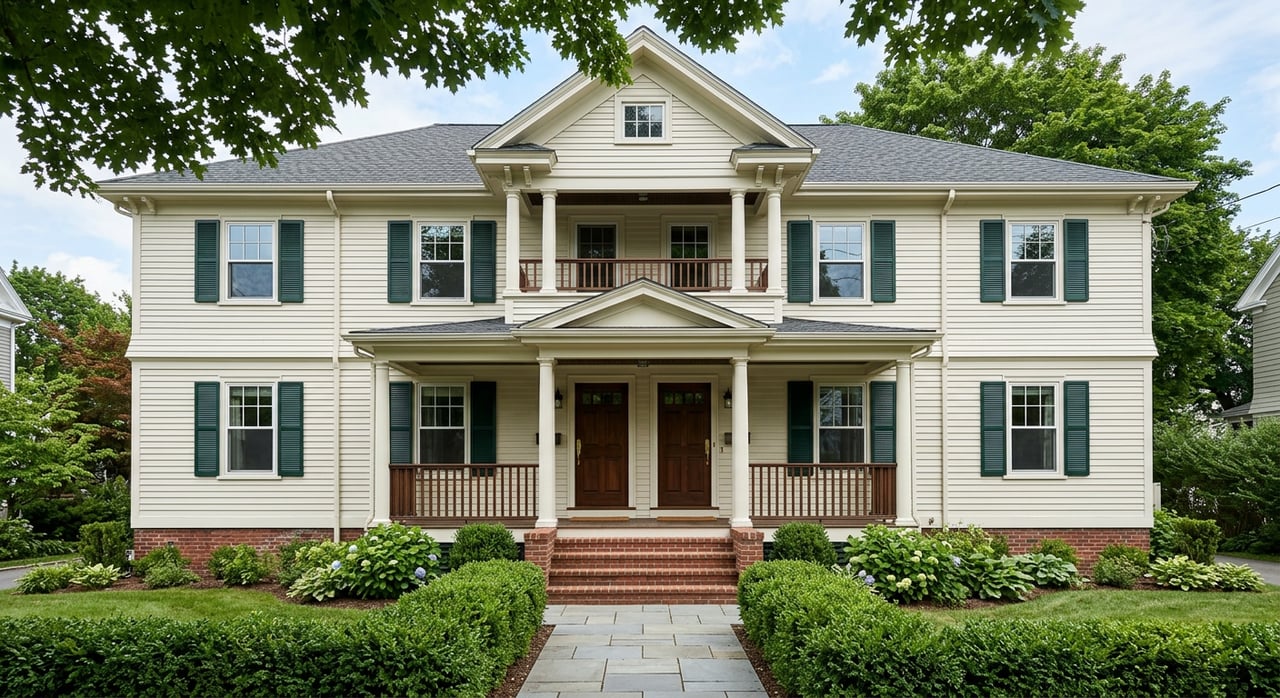
Two- and three-family homes are common and often serve as the entry point for beginners. The Assessor’s office tracks single-, two-, and three-family properties in the local tax roll, which helps you verify use and taxes before you write an offer. This format can support house hacking or a straightforward cash-flow play.
Condos and newer apartments
Waltham’s newer, professionally managed product often commands market rents, especially near employment hubs. The CityPoint area, anchored by major office and life-science developments, boosts nearby housing demand even though it is largely a commercial district. If you prefer lower maintenance and predictable finishes, a condo in a well-run building can be a fit.
Near-campus housing
Blocks near Brandeis University and Bentley University see consistent student and staff demand. Expect more seasonal turnover and plan your leasing calendar accordingly. If you buy near Brandeis/Roberts station, also weigh rail access as a driver for non-student renters.
Rents and revenue ranges
Market data shows 1-bedroom asking rents often land in the low to mid $2,000s. Many 2-bedrooms commonly rent in the upper $2,000s to low $3,000s, with higher pricing for newer buildings or transit-proximate units. The long-run American Community Survey median gross rent in Waltham is lower because it blends older leases and older housing stock. Use current broker comps and building-level data when penciling your pro forma.
Seasonality matters. Late spring and early summer usually bring more listings and faster absorption. Condition also drives results, so budget for clean kitchens, working systems, and safe housing to meet tenant expectations and local regulations.
Neighborhoods and micro-markets
Moody Street and Downtown
Moody Street and Central Square offer walkable dining and retail that renters value. Smaller units close to amenities can perform well, especially if they are updated and well managed. City reports describe this area’s active commercial core, which supports year-round foot traffic.
Near MBTA commuter rail
The Waltham and Brandeis/Roberts stations on the Fitchburg Line help attract commuting professionals and students. Transit access can reduce vacancy risk and expand your tenant pool. Expect pricing to reflect that convenience.
CityPoint and Route 128 corridor
The CityPoint district and former Polaroid area along Route 128 host growing office and lab space. While these parcels are commercial, the daytime population and employment density tend to support nearby rentals. Watch this node for long-term stability rather than short-term bargains.
Costs, rules, and compliance to budget
Property taxes
Waltham’s FY2026 residential tax rate is 10.32 per 1,000 dollars of assessed value. Always pull the specific parcel’s assessed value and check for any exemptions before you finalize numbers. This line item will materially affect cash flow in higher-priced suburbs.
Security deposits and tenant rules
Massachusetts has strict rules for collecting, escrowing, tracking interest, and returning security deposits. Mishandling deposits can expose you to penalties and legal costs. Build compliant systems from day one and include the administrative time in your operating plan.
Lead paint and older-building risks
If a home was built before 1978 and a child will live there, you must address lead paint risks under state law. Waltham’s planning and housing documents flag lead abatement as a funded activity for local rehab. Budget for testing, potential deleading, and safe work practices as part of your acquisition plan.
Permits, ADUs, and building compliance
Confirm the legal unit count, zoning, and any past conversions with the Building Department. If you plan to add an accessory dwelling unit or renovate, clarify the required permits and inspections before closing. This step protects you from costly surprises.
Rental registration and inspections
As of this research, the City’s primary pages do not show a citywide annual rental-registration program, but policies can change. Contact the Housing Division or Building Department to confirm current requirements. Document your calls and any guidance you receive.
Opportunities and risks
Opportunities
- Stable renter demand supported by major employers, two universities, and commuter rail access.
- Ongoing life-science and office investment at CityPoint can help support long-term rental stability and appreciation.
Risks
- Entry prices are high, which can require larger down payments and tighter debt coverage.
- Older housing often needs capital for systems, safety, and lead compliance, which adds to your upfront budget.
- Zoning and MBTA-area policy updates may affect future supply and permitted uses. Track City updates if your plan depends on zoning changes.
Simple underwriting checklist
- Price comps: Pull 6–12 months of sold comps on your exact block and property type. Prefer sold over list prices to set your buy box.
- Rent comps: Collect current asking rents and recent signed leases for the same unit sizes and finish levels. Note concessions and parking.
- Taxes and insurance: Verify the assessed value, FY2026 tax rate, and get landlord policy quotes that include liability and loss-of-rent.
- Inspection and hazards: Order a full home inspection plus a lead assessment for pre-1978 properties. Budget remediation as part of negotiations.
- Permits and zoning: Confirm legal unit count, ADU feasibility, and that prior work was permitted and closed out.
- Conservative pro forma: Include a 5–7 percent vacancy/reserve and a clear capital expenditure line for roofs, systems, and kitchens.
First 30-day action plan
- Pick a submarket focus: Moody/Downtown for walkable rentals, near Brandeis for student demand, or near CityPoint for commuter access. Build a file of at least 10 sold comps and 10 rent comps.
- Call the Building Department and the Assessor to confirm legal use, permits, and the parcel’s tax history. Keep notes in your deal file.
- Schedule inspection and lead testing on any pre-1978 property and secure cost estimates so you can negotiate with clarity.
- Get pre-approval tailored to your plan, whether owner-occupied 2–4 units or investor financing. Ask lenders about reserves and rent-credit rules.
- Interview two property managers to price turns, leasing, and monthly management so you can model true net income.
Is Waltham right for you?
If you want steady demand drivers, transit access, and an employment base that supports long-term rents, Waltham can be a strong first investment market. You will need to underwrite carefully because entry prices are higher and older homes may require compliance work. With disciplined comps, conservative reserves, and a plan for permits and lead safety, you can set yourself up for solid results.
Want a local, construction-informed perspective on a specific address or submarket? Schedule a free consultation with Crystal Paolini to review comps, scope, and a clear action plan.
FAQs
What makes Waltham attractive for first-time investors?
- A diverse employer base, two universities, and two MBTA commuter rail stops help support ongoing rental demand and lower vacancy risk.
What are typical rents for 1- and 2-bedrooms in Waltham?
- Many 1-bedrooms list in the low to mid $2,000s, and many 2-bedrooms in the upper $2,000s to low $3,000s, with newer units and transit-proximate locations often higher.
How do property taxes affect cash flow in Waltham?
- The FY2026 residential tax rate is 10.32 per 1,000 dollars of assessed value, so always model the specific parcel’s assessed value before offering.
What landlord rules should I know before renting in Waltham?
- Massachusetts security deposit rules are strict on escrow, interest, and returns; set up compliant systems to avoid penalties and added costs.
Do I need to register my rental in Waltham?
- The City’s main pages do not show a citywide annual rental-registration program as of this research; confirm current requirements with Housing or Building before closing.
Are older homes in Waltham likely to have lead paint?
- Many pre-1978 homes require lead-safety compliance. Plan for testing and potential deleading costs if a child will occupy a unit.