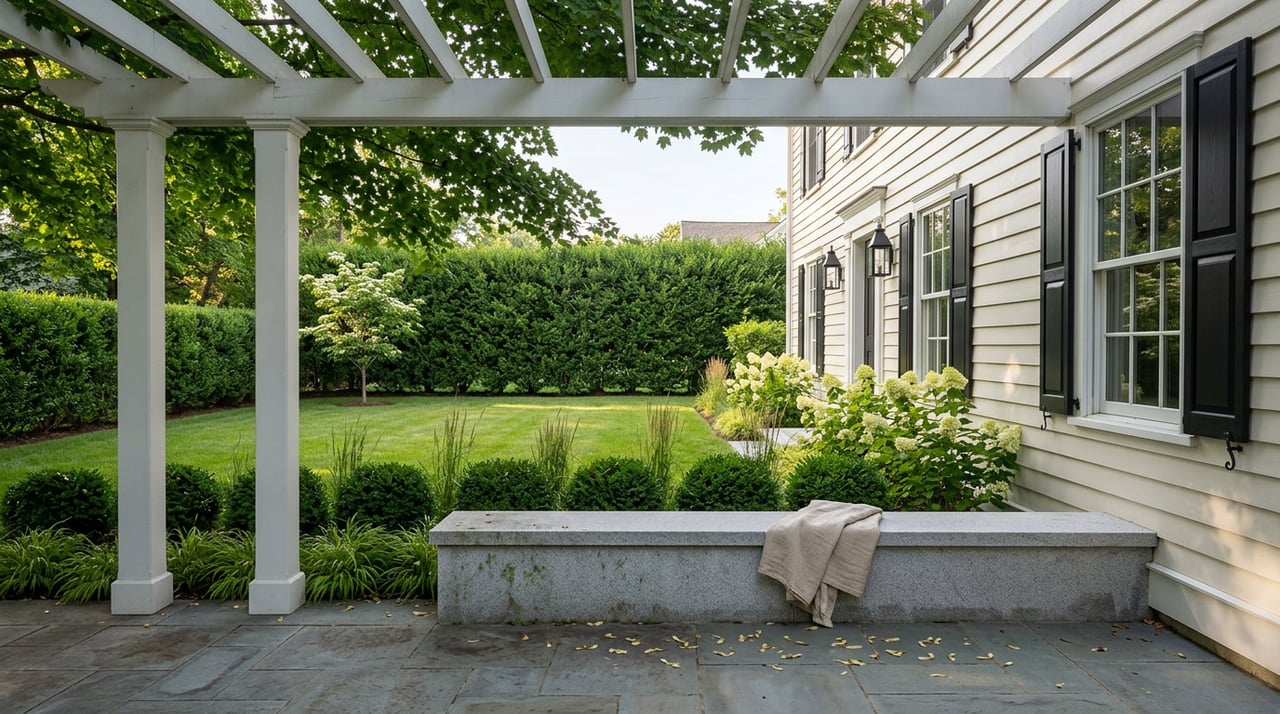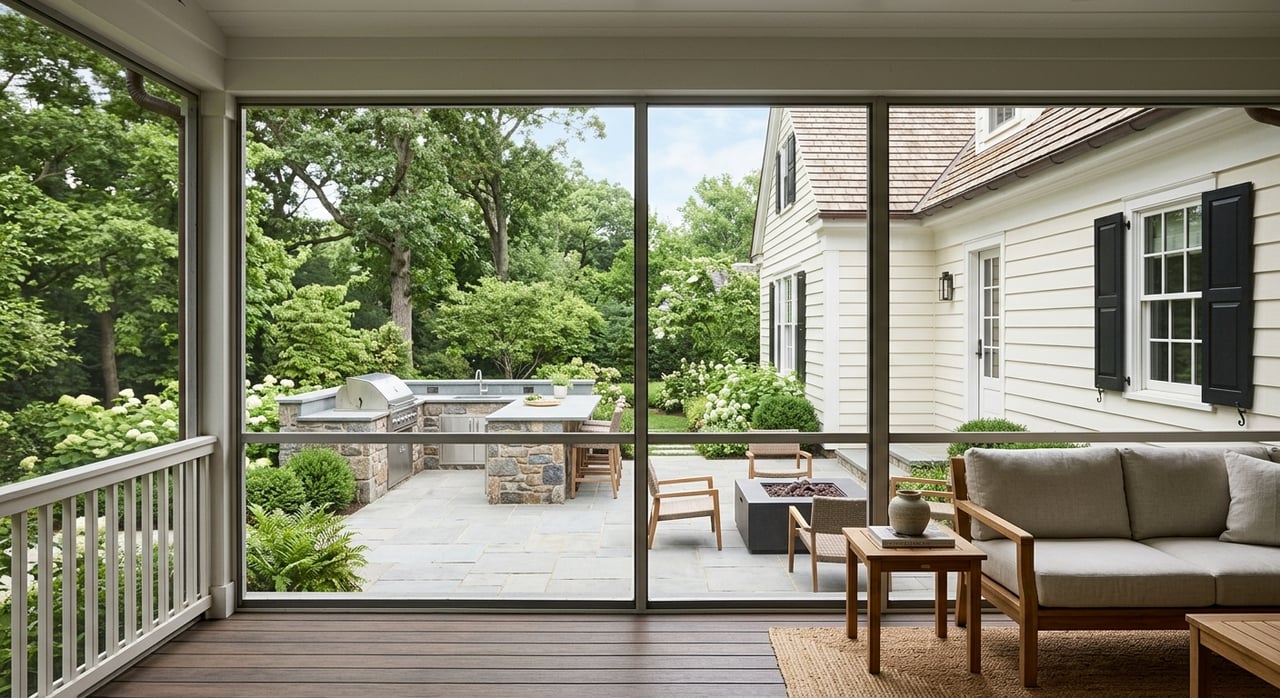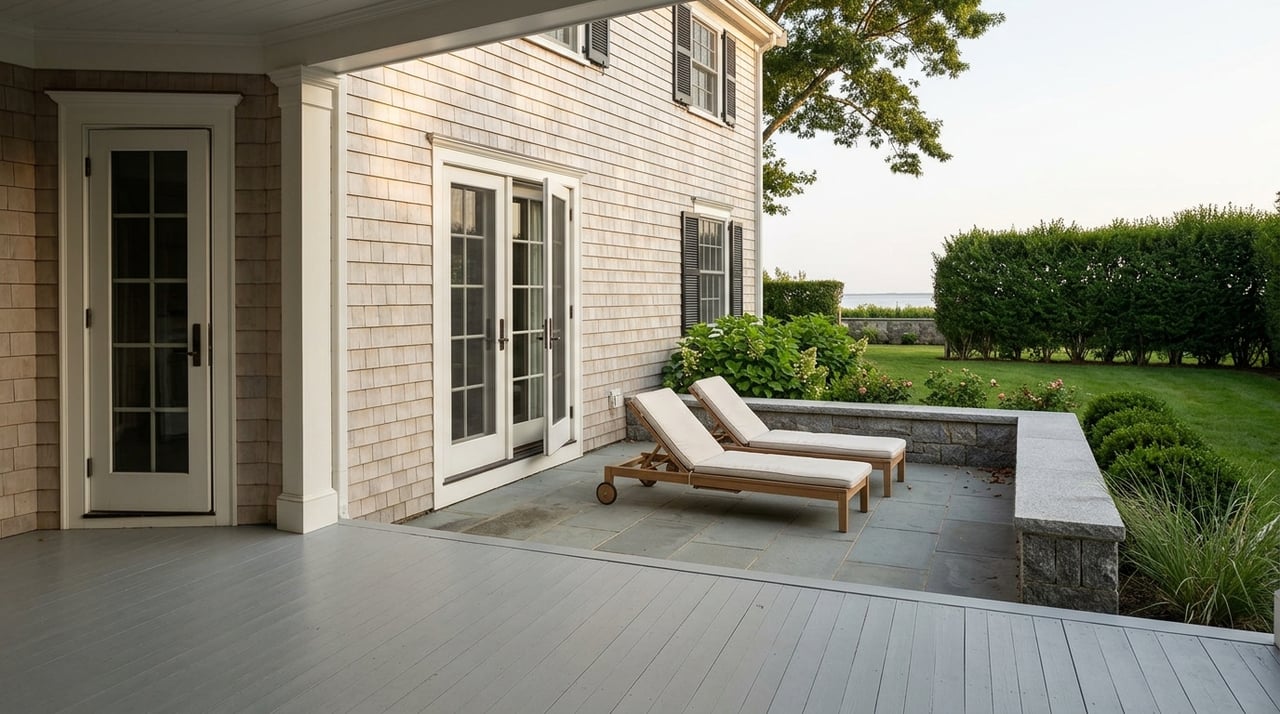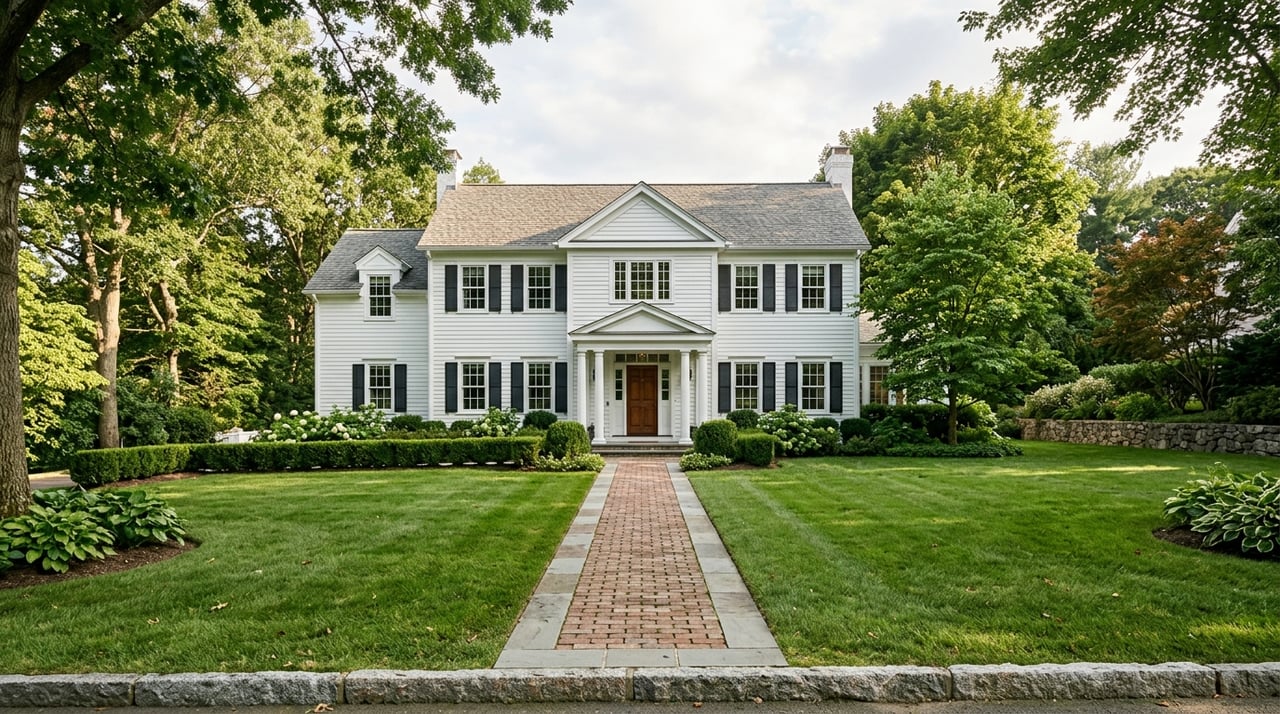
Wondering whether life in Lexington feels better near the Center or farther out in one of its residential neighborhoods? It is a smart question, especially in a town where location can shape your daily routine, housing options, and long-term plans as much as the house itself. If you are comparing walkable convenience with a quieter residential setting, this guide will help you understand the real tradeoffs in Lexington so you can focus your search with more confidence. Let’s dive in.
Lexington Center at a Glance
Lexington is largely a residential town, but Lexington Center serves as its main shopping area and central business district. According to the town, the Center includes retail stores, professional offices, banks, and restaurants, which makes it the place where many daily errands naturally cluster.
The Center also carries much of Lexington’s historic identity. Battle Green, Buckman Tavern, Hancock-Clarke House, the Old Burying Ground, and First Parish Church are at or near the core, and Battle Green is a National Historic Landmark. If historic atmosphere matters to you, that is a meaningful part of the appeal.
Just as important, Lexington Center is compact and pedestrian-oriented. Town planning materials describe a walkable environment with wide sidewalks and mostly one- and two-story buildings, which creates a more traditional small-town commercial feel than you find in many suburban centers.
Why Buyers Choose Lexington Center
If you want to be close to everyday conveniences, Lexington Center stands out. The town says the area is accessible by car, LexPress, MBTA Routes 62 and 76, and the Minuteman Bikeway, with metered street parking and public lots behind the shops.
For some buyers, that kind of access changes how a home feels day to day. Being able to reach restaurants, services, and local destinations without getting in the car for every stop can make your routine simpler and more flexible.
The Center can also appeal if you want a location with a stronger sense of place. Between the historic landmarks and the compact business district, the area offers a setting that feels active and connected without being urban in scale.
What the Housing Mix Looks Like Near the Center
Near Lexington Center, you are more likely to find older houses, renovated historic homes, and some condo or mixed-use options near the commercial core. The town’s oldest-houses inventory includes homes from the 1700s on Massachusetts Avenue, which gives you a sense of how deep the housing history runs in this part of town.
Current Town Center listings also show a broad range of property types and price points. Research in the report includes condos around $920,000 and single-family homes from roughly $1.95 million to $5.6 million, so the Center is not one uniform market.
That range matters if you are trying to balance lifestyle and budget. A buyer who wants a lower-maintenance home near the Center may look at condos, while someone focused on a signature single-family property may find higher-end options in the same general area.
What Outlying Lexington Neighborhoods Offer
Outside the Center, Lexington feels more residential. Town materials describe Lexington as largely residential overall, with only small commercial nodes along main roads, so many outer neighborhoods offer more separation from retail activity and a quieter street feel.
In practical terms, that often means more buffer, more yard, and more privacy, though the exact experience depends on the street and the specific property. That distinction is based on the town’s Center-versus-residential descriptions rather than a hard rule, but it is a useful way to think about the town.
For many buyers, this is where Lexington’s suburban appeal becomes most noticeable. If your priority is a quieter setting and a home environment that feels a bit more tucked away, the outlying neighborhoods may be the better fit.
Distinctive Neighborhood Character
Some of Lexington’s outer neighborhoods are notable not just for being residential, but for their architecture and setting. Official town documents describe Turning Mill as a woodland neighborhood with modest-scale mid-century modern houses, careful siting, native plantings, and a sense of privacy.
The town’s postwar history also highlights neighborhoods such as Six Moon Hill, Peacock Farm, Five Fields, and Wellington Estates. These areas reflect different parts of Lexington’s development story and can offer a very different visual and architectural experience from homes closer to the Center.
That means your decision is not only about distance from downtown. In Lexington, the style of neighborhood, lot layout, and home design can vary meaningfully from one area to another.
Comparing Home Styles
One of the biggest differences between Lexington Center and the outer neighborhoods is the likely housing stock. Near the Center, older homes and historically significant properties are more common, along with some condo inventory.
Farther out, the housing mix broadens. Lexington’s official historical resources identify Colonial Revival, Cape Cod, Ranch, split-level, Craftsman, Shingle Style, and mid-century modern homes across the town, especially in postwar neighborhoods.
If you have a strong preference for a certain architectural style, this can help narrow your search quickly. Buyers who want historic character may spend more time near the Center, while buyers looking for mid-century design, a postwar layout, or a larger suburban lot may focus farther out.
Renovation Rules Can Vary by Area
If you are thinking about remodeling, expansion, or exterior updates, location matters in another way too. In Lexington’s historic districts, the Historic Districts Commission reviews demolition, exterior renovations, color changes, and signs.
Other areas may fall within Neighborhood Conservation Districts, which the town describes as less restrictive than local historic districts but still intended to preserve neighborhood character. For a buyer, that means two homes with similar square footage may come with very different approval paths for future work.
This is where looking beyond the listing becomes important. If you are buying with renovation plans in mind, understanding district rules early can help you avoid surprises and better evaluate the property’s long-term potential.
How Prices Compare
Lexington is expensive and competitive overall, no matter where you focus. According to the research report, Redfin reported a May 2026 median sale price of $1.85 million for Lexington, with homes going pending in around 20 days and averaging about 2 percent above list.
Within that broader market, Lexington Town Center tends to sit at the high end. Redfin’s Town Center data showed a May 2026 median sale price of $2.39 million, while Realtor.com reported a median listing price of $2.618 million in Town Center.
Outlying neighborhoods can sometimes be less expensive than the immediate core, but not always. The research report notes recent examples around $1.31 million to $1.53 million in East Lexington and Prospect Hill, while Countryside included sales from about $1.2 million to $3.25 million.
What Really Drives Value
In practice, the label alone does not determine price. The report points to the usual drivers: square footage, lot size, renovation level, architectural significance, and distance to the Center or other amenities.
That is why two homes in different parts of Lexington can compete for the same buyer, even if they offer very different lifestyles. A smaller updated home near the Center and a larger house on a quieter lot farther out may both make sense, depending on what you value most.
Which Location Fits Your Lifestyle?
If you picture yourself walking to restaurants, services, and historic destinations, Lexington Center may feel like the natural choice. It offers convenience, a recognizable town core, and transportation access that is unusual for a suburban setting.
If you are drawn to quieter streets, more residential surroundings, or a property with more yard and privacy, the outlying neighborhoods may give you a better fit. They also open the door to a wider range of architectural styles, including notable mid-century areas and postwar neighborhoods.
For many buyers, the best answer is not Center versus outskirts in the abstract. It is finding the specific street and house that match how you want to live now and what you may want to do with the property over time.
In a town like Lexington, that last part matters. A home’s setting, renovation path, lot characteristics, and relationship to the Center can all shape both your daily experience and the home’s long-term flexibility.
If you want help weighing those tradeoffs in a thoughtful, data-driven way, Crystal Paolini can help you compare Lexington locations, property types, and renovation considerations with a clear local strategy.
FAQs
Is Lexington Center more walkable than outlying Lexington neighborhoods?
- Yes. Town planning materials describe Lexington Center as a compact, pedestrian-oriented commercial district with wide sidewalks, shops, restaurants, and access to LexPress, MBTA Routes 62 and 76, and the Minuteman Bikeway.
Are homes near Lexington Center more expensive than homes farther out?
- Often, but not always. The research report shows Lexington Town Center at the higher end of town pricing overall, yet prices across outlying neighborhoods still vary widely depending on size, lot, condition, architectural style, and location.
What types of homes are common in Lexington Center?
- Near the Center, you are more likely to find older houses, renovated historic homes, and some condo or mixed-use options near the commercial core.
What types of homes are common in outer Lexington neighborhoods?
- Outer neighborhoods include a broader mix such as Colonial Revival, Cape Cod, Ranch, split-level, Craftsman, Shingle Style, and mid-century modern homes, including homes in notable postwar neighborhoods.
Do renovation rules differ across Lexington neighborhoods?
- Yes. Homes in historic districts may be reviewed by the Historic Districts Commission for demolition and certain exterior changes, while Neighborhood Conservation Districts are less restrictive but still designed to preserve neighborhood character.
How should you choose between Lexington Center and an outlying neighborhood?
- Start with your daily priorities. If walkability, errands, and historic atmosphere matter most, the Center may fit best. If you want more residential buffer, quieter streets, and often more yard or privacy, outer neighborhoods may be a stronger match.